Community Empowerment
Borong-Polok Handmade Paper Unit
The Borong-Polok Handmade Paper Unit is a community-based micro-enterprise, established in 2003 with support from SF, involving over fifty local families who contributed as little as Rs 500 and in-kind support like materials and labor.
Role
Project Initiation, Sustainability and Local Development
Funded By:
Equity participation by SF and the local community
Start Date:
Jan 2, 2014
Area Served:
Polok, Borong, Chitray, Phamtam, Sada in Ravangla sub-division, South Sikkim.
Overview
The Borong-Polok Handmade Paper Unit is a community-based initiative in South Sikkim, India, promoted by the Sikkim Development Foundation (SF). It aims to produce handmade paper from the Argali (Edgeworthia Gardneri) plant, a fast-growing shrub found abundantly in the region. The unit focuses on sustainable paper production, economic empowerment, and environmental conservation.
Background & Need
Historically, handmade paper from Argali was used for monastic scriptures and government records in Sikkim. Despite an increasing demand for high-quality, eco-friendly handmade paper in India and internationally, few commercial units existed in Sikkim. The project was developed to:
Create rural employment and alternative income sources.
Promote eco-friendly paper production using sustainable harvesting methods.
Encourage local entrepreneurship through handmade product units.
Key Activities & Implementation
✅ Community Participation & Funding
More than 50 local households participated as equity holders.
SF initially held shares to facilitate the launch before disinvesting over time.
✅ Paper Manufacturing Process
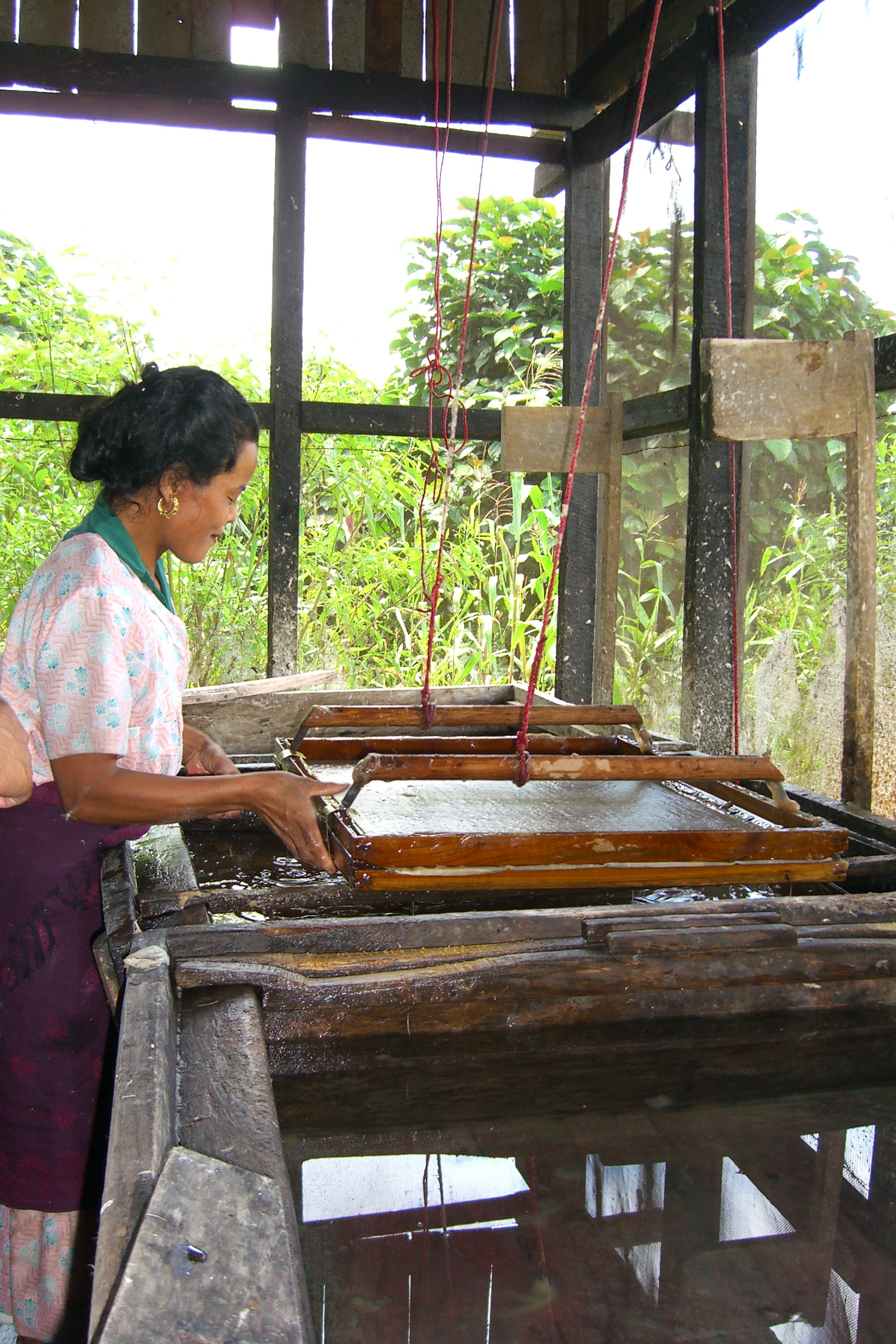
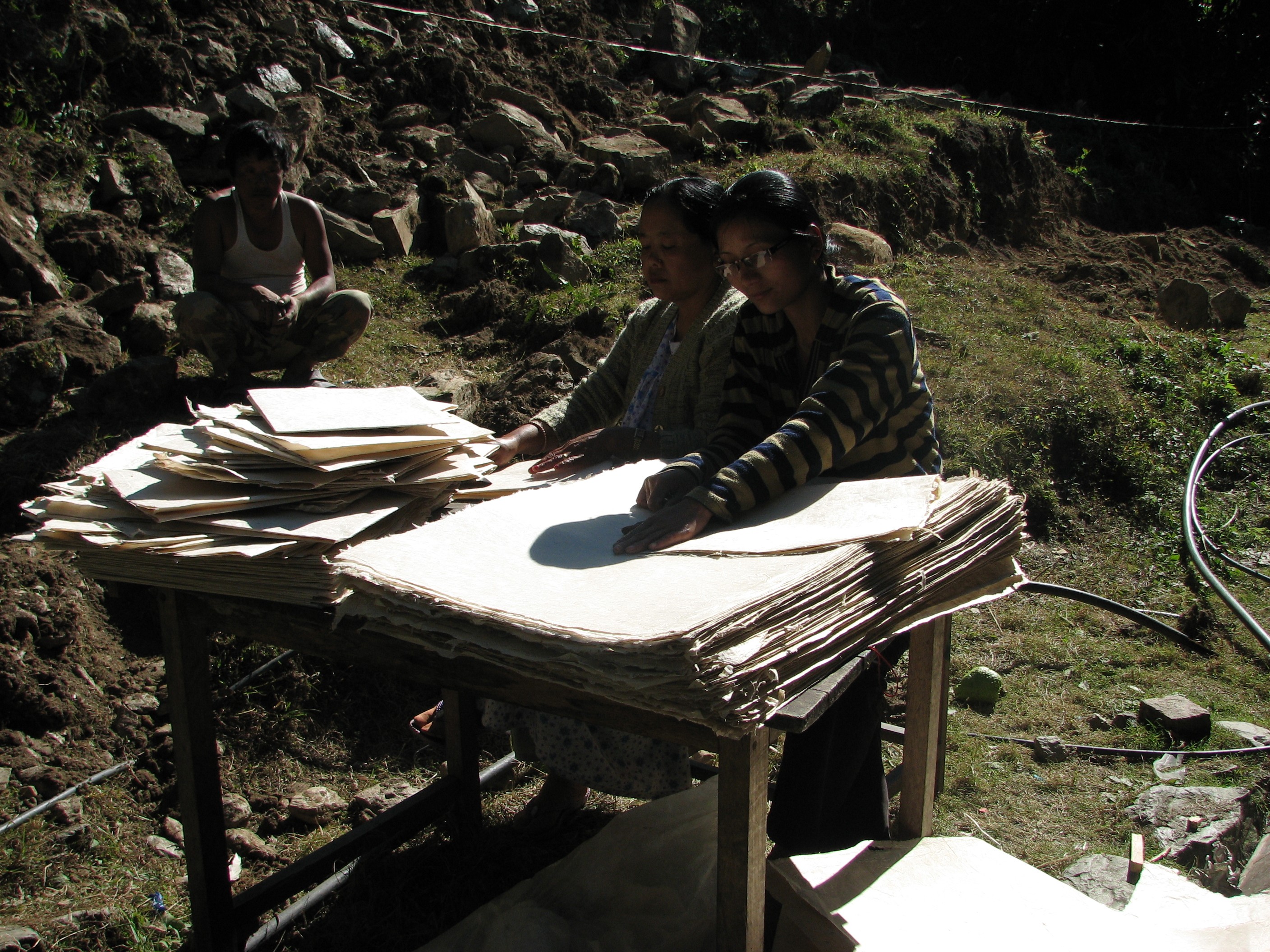
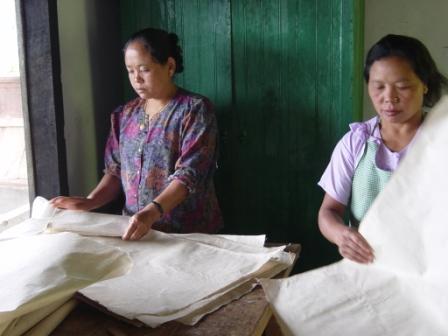
Argali bark is harvested sustainably, cleaned, sun-dried, and processed into pulp.
Traditional handmade paper techniques are used, including natural drying and calendaring for a smooth finish.
✅ Handmade Paper Products
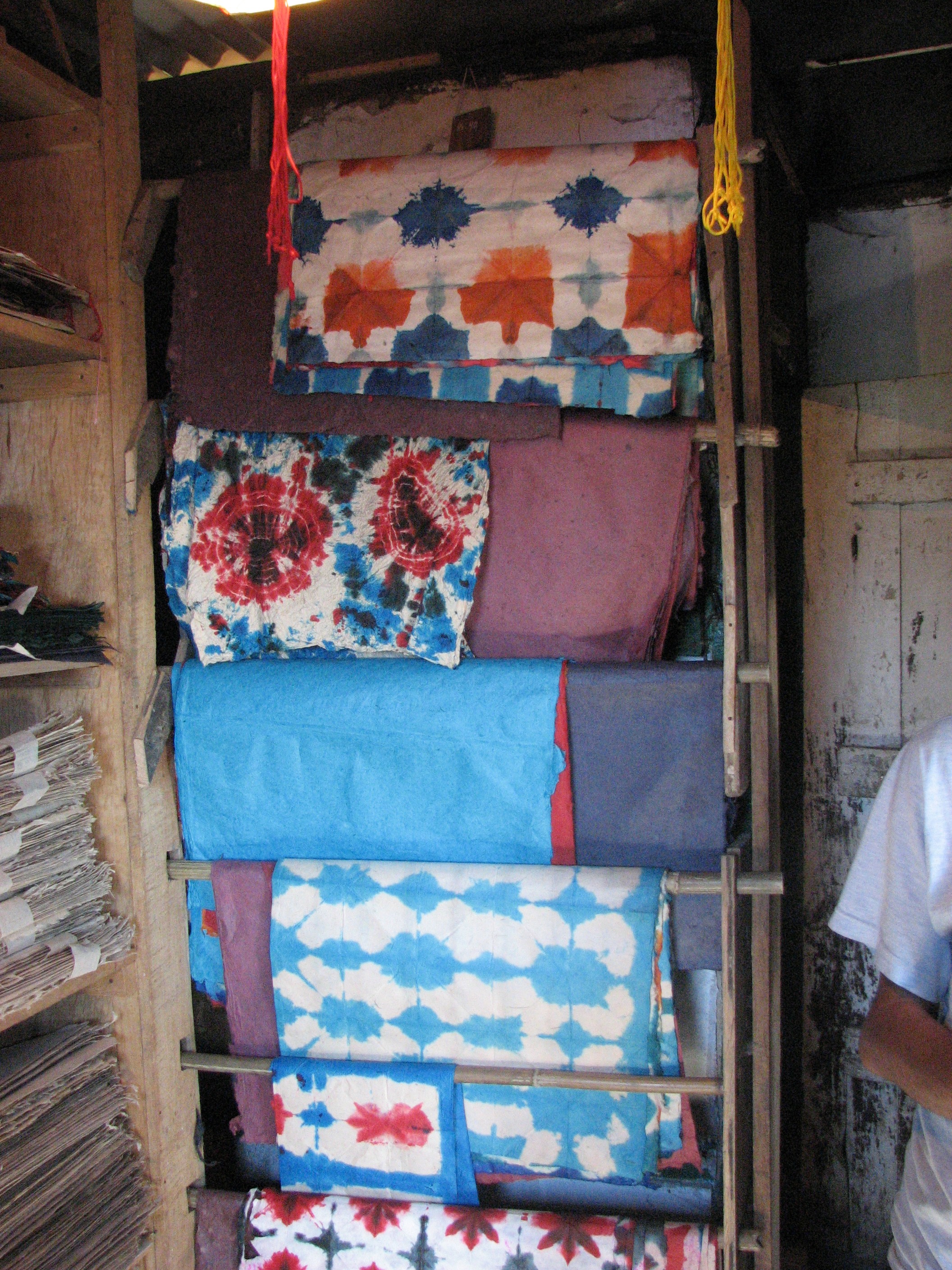
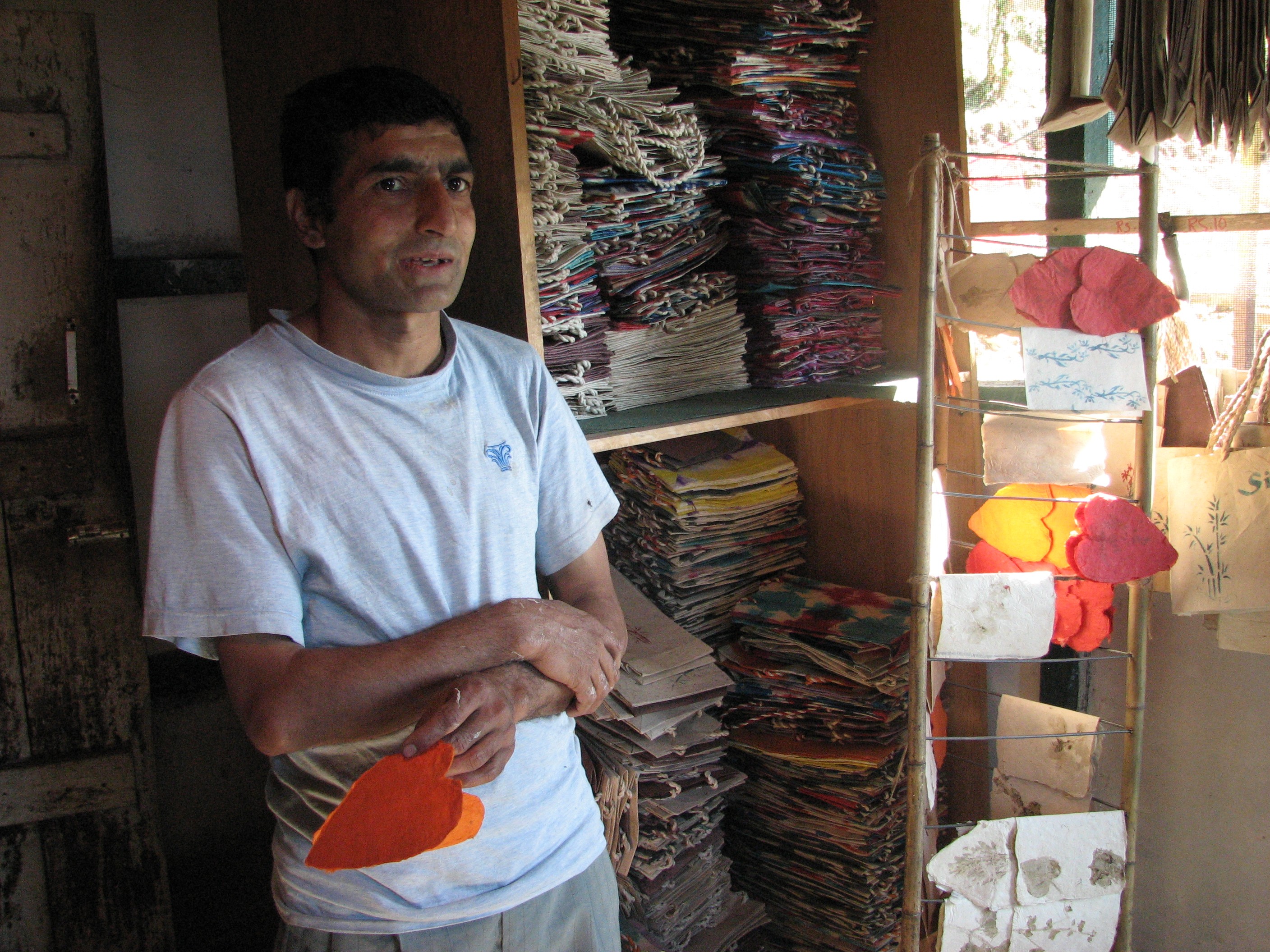
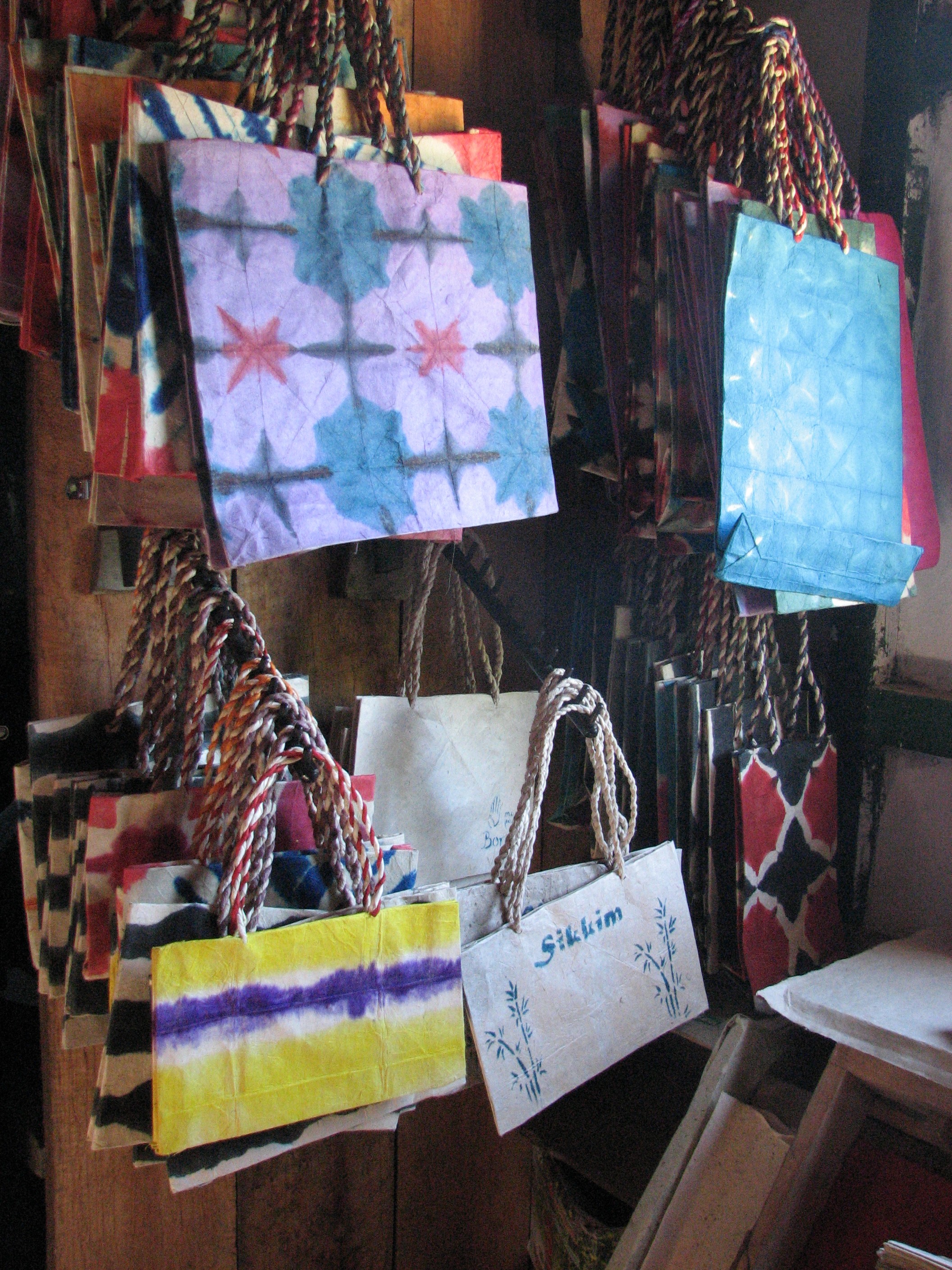
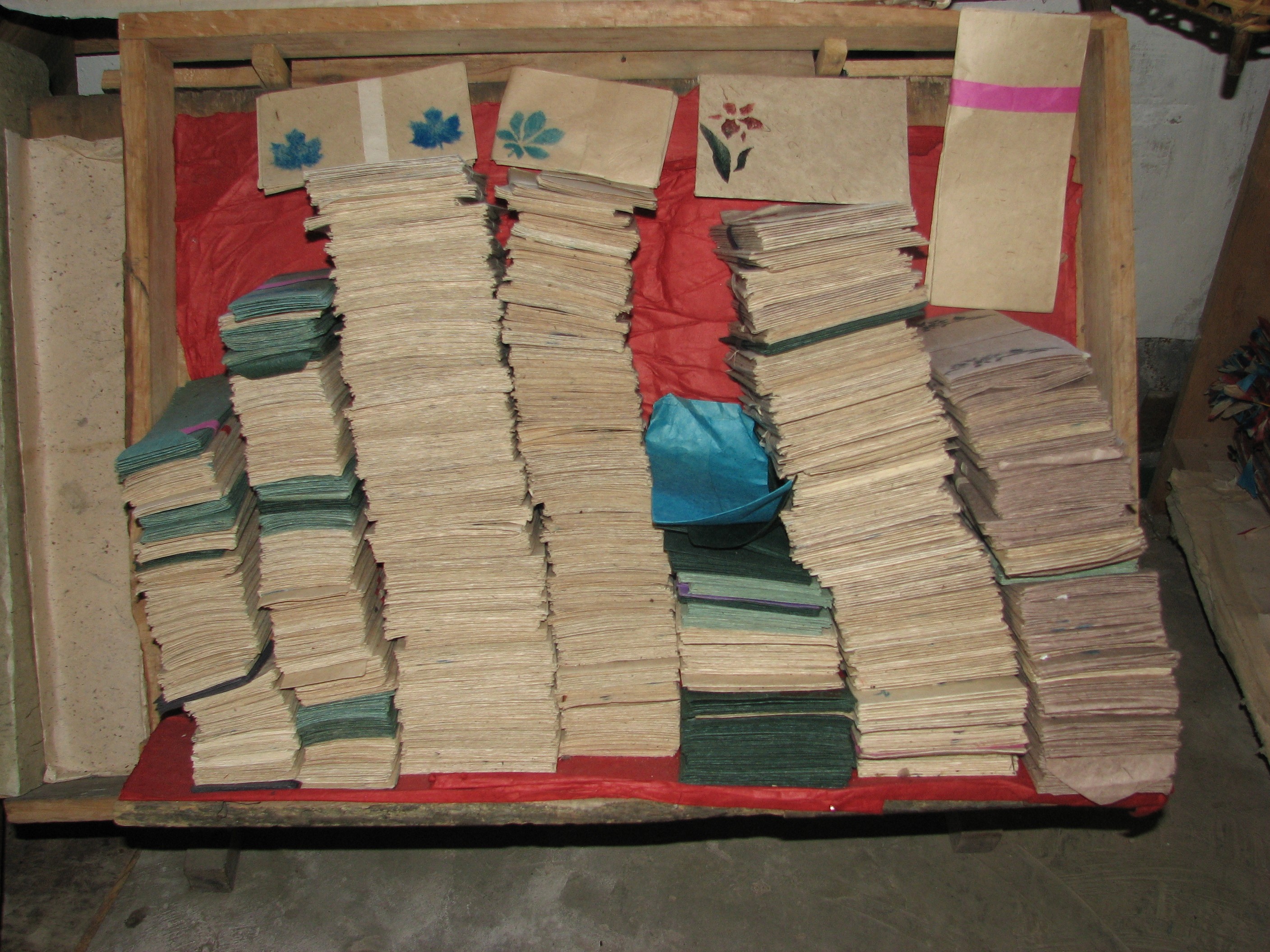
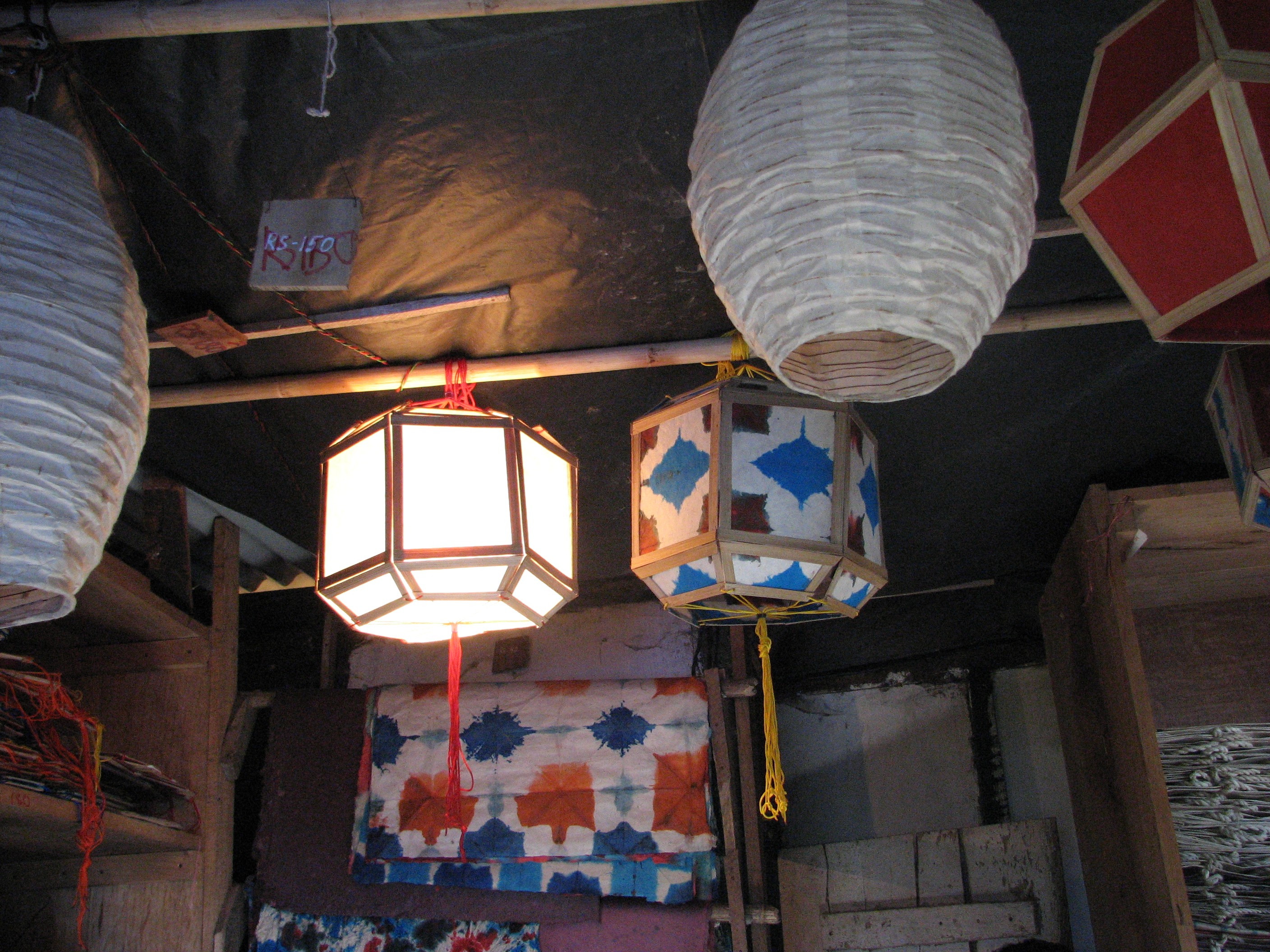
Notebooks, bags, envelopes, gift wrapping sheets, lamp shades, and greeting cards.
Customizable products available in different colors and textures.
Impact & Benefits
Economic Empowerment
Employment generation in paper production and handmade product crafting.
Increased income for local farmers who supply Argali bark.
Environmental Conservation
The bark is harvested without damaging the plant, allowing natural regeneration.
Tree-free and chlorine-free paper production supports sustainable practices.
Tourism & Cultural Preservation
The unit attracts eco-tourists, researchers, and students interested in sustainable crafts.
Preserves traditional Sikkimese paper-making techniques from vanishing.
Challenges & Solutions
Solution Implemented: Lack of financial support. Community-based funding & government subsidies. Limited awareness of handmade paper. Marketed through handicraft emporiums, government use, and tourism. Need for skill development. Training programs for villagers and youth
Future Scope & Recommendations
✅ Expand government and private partnerships for wider market access.
✅ Establish eco-tourism initiatives around the unit for added revenue.
✅ Strengthen global exports of handmade Argali paper products.
✅ Improve local governance and policies for sustainable paper-making.