Sikkim Development Foundation

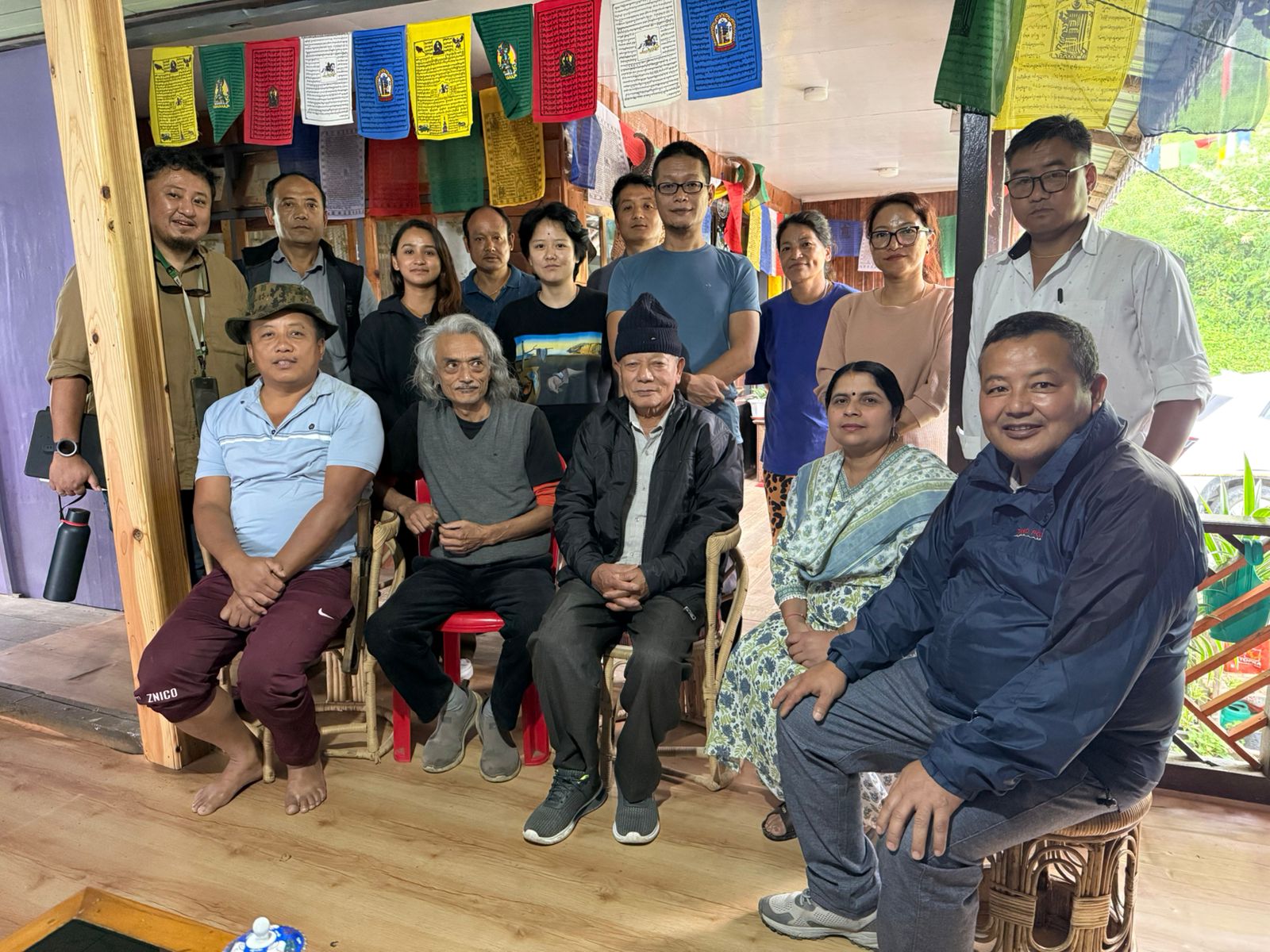
Founded in 1999 by a group of Sikkimese professionals concerned about issues ranging from unemployment to governance, the Sikkim Development Foundation (SF) is a non-political, non-sectarian NGO committed to inclusive, sustainable development. With a renewed vision and an inter-generational team, SF is rebuilding itself as a collaborative platform for grounded, community-led change in Sikkim.

Founded in 1999 by a group of Sikkimese professionals concerned about issues ranging from unemployment to governance, the Sikkim Development Foundation (SF) is a non-political, non-sectarian NGO committed to inclusive, sustainable development. With a renewed vision and an inter-generational team, SF is rebuilding itself as a collaborative platform for grounded, community-led change in Sikkim.

Our Impact

Our Impact

Our Impact

We have historically pioneered village tourism, revived the Sikkim mandarin, and supported vital livelihood and sanitation programs.

After a strategic revival, we now focus on community-led sustainable development, conducting needs assessments and empowering diverse groups. Our current work, like reviving the Borong Handmade Paper Unit, aims to create dignified livelihoods for women and youth.
16

Sub-division covered

16

Sub-division covered

16

Sub-division covered

16

Sub-division covered

14

Lakh AusAid funding

14

Lakh AusAid funding

14

Lakh AusAid funding

14

Lakh AusAid funding

500+

Families impacted

500+

Families impacted

500+

Families impacted

500+

Families impacted

Deep-Rooted Community Engagement

Deep-Rooted Community Engagement

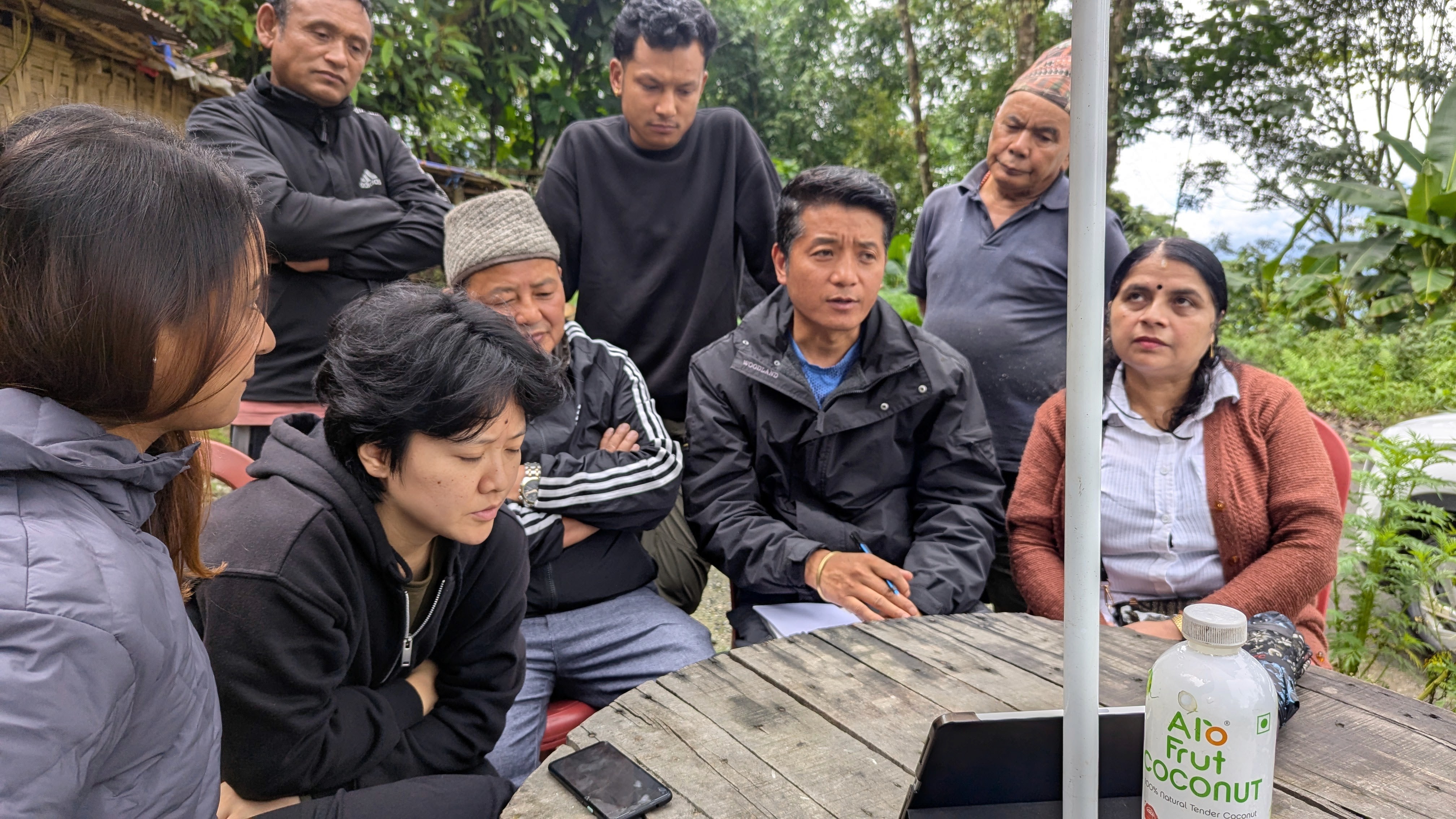
We have been fostering meaningful relationships across diverse communities throughout the state since 1999. Our approach centers on listening to local voices and supporting community-led solutions that address real needs on the ground.

We have been fostering meaningful relationships across diverse communities throughout the state since 1999. Our approach centers on listening to local voices and supporting community-led solutions that address real needs on the ground.

Collaborative planning.

We actively work with citizens, civil society organizations, and government bodies to address pressing challenges like climate change, disaster risk, and inequality. Our collaborative approach ensures solutions are grounded in local realities while remaining open to innovation.
Our Goal

We envision a just, inclusive, and resilient Sikkim rooted in freedom, equality, justice, and opportunity. We enable community-led solutions that promote well-being across social, economic, and ecological dimensions while addressing pressing challenges like climate change, disaster risk, and inequality.

We envision a just, inclusive, and resilient Sikkim rooted in freedom, equality, justice, and opportunity. We enable community-led solutions that promote well-being across social, economic, and ecological dimensions while addressing pressing challenges like climate change, disaster risk, and inequality.

Ongoing Projects and Engagements

Community Empowerment, Heritage Preservation, and Sustainable Development

Community Empowerment, Heritage Preservation, and Sustainable Development

Community-Driven Needs Assessment in Sikkim

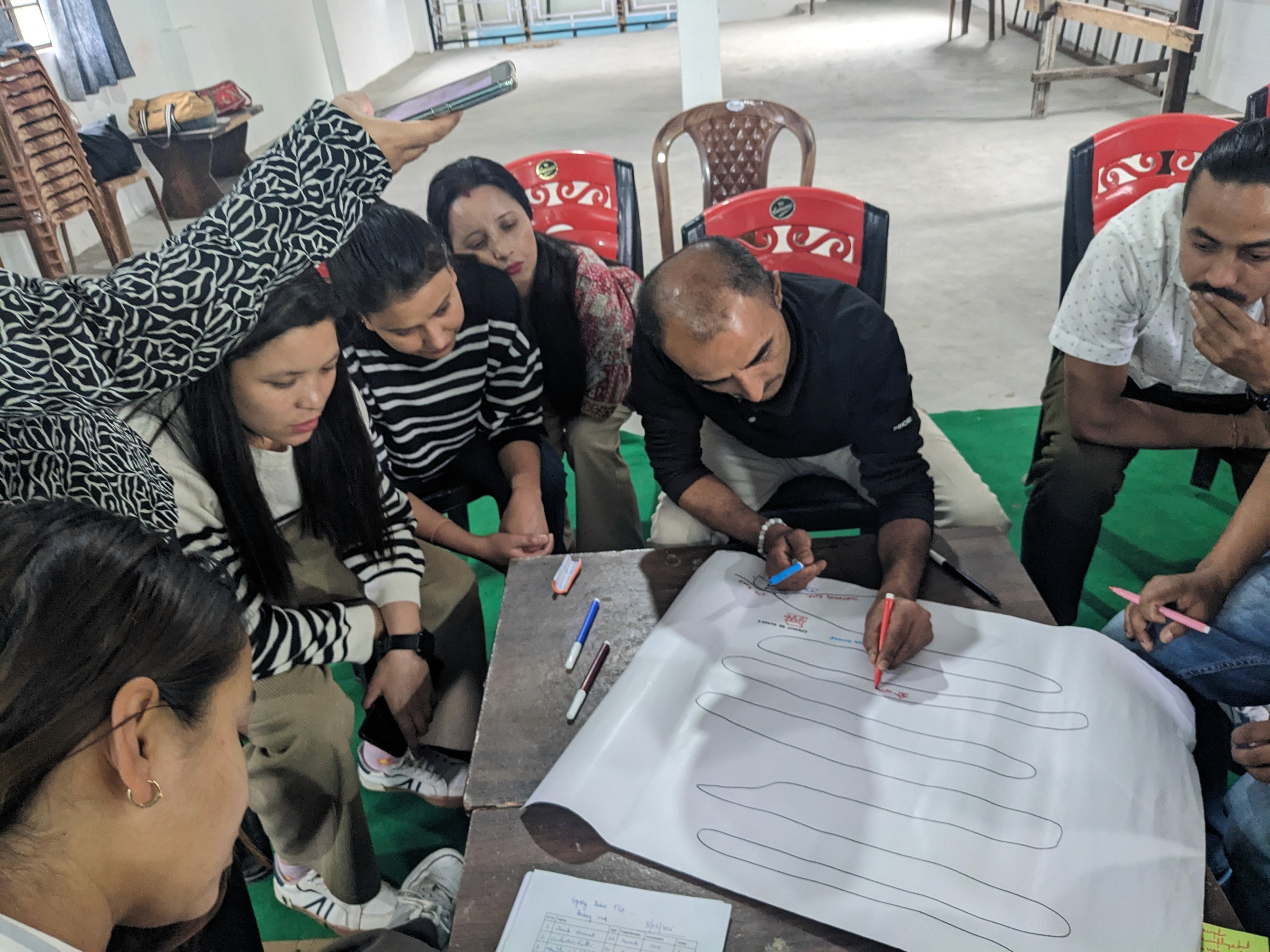
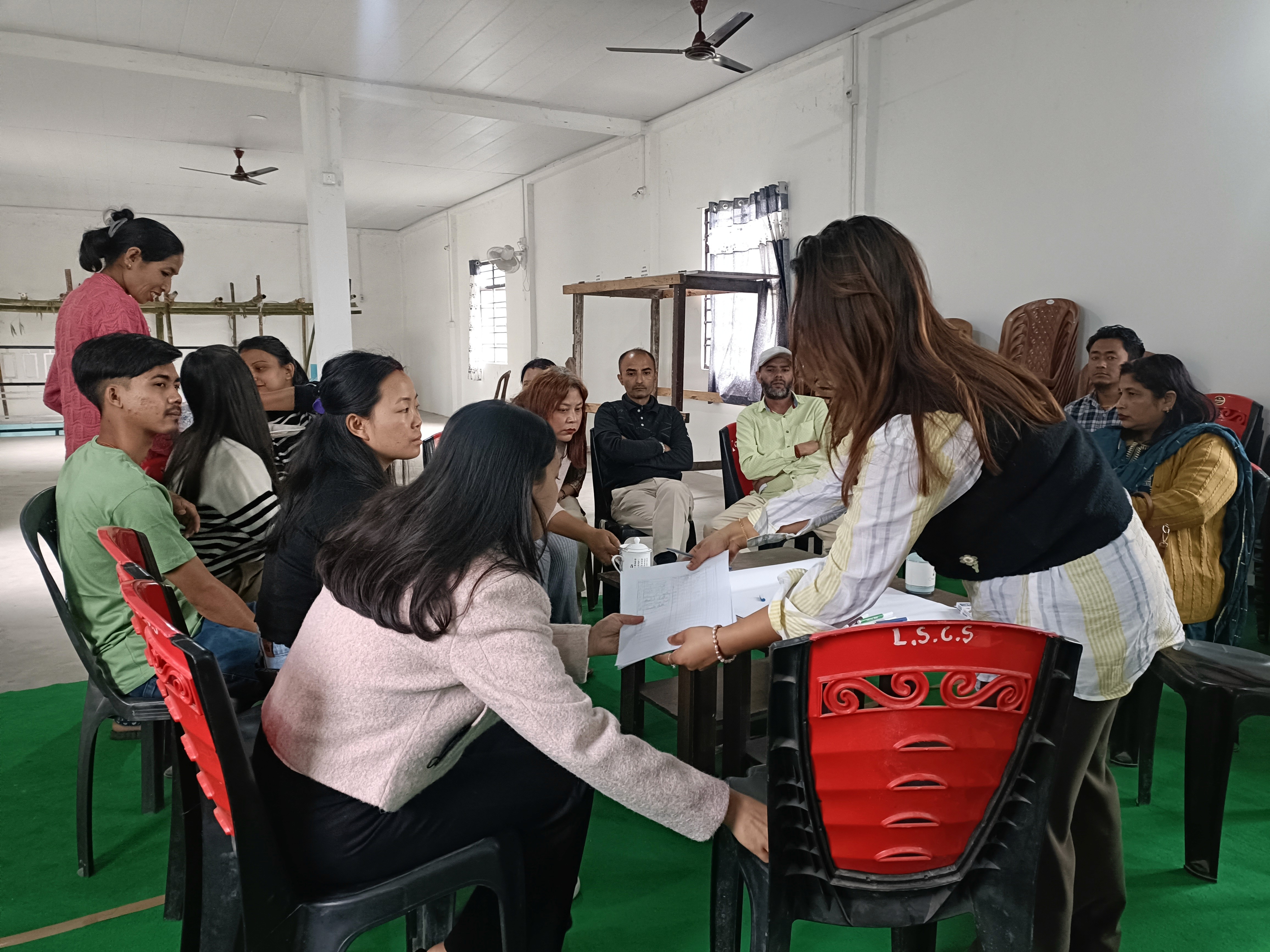
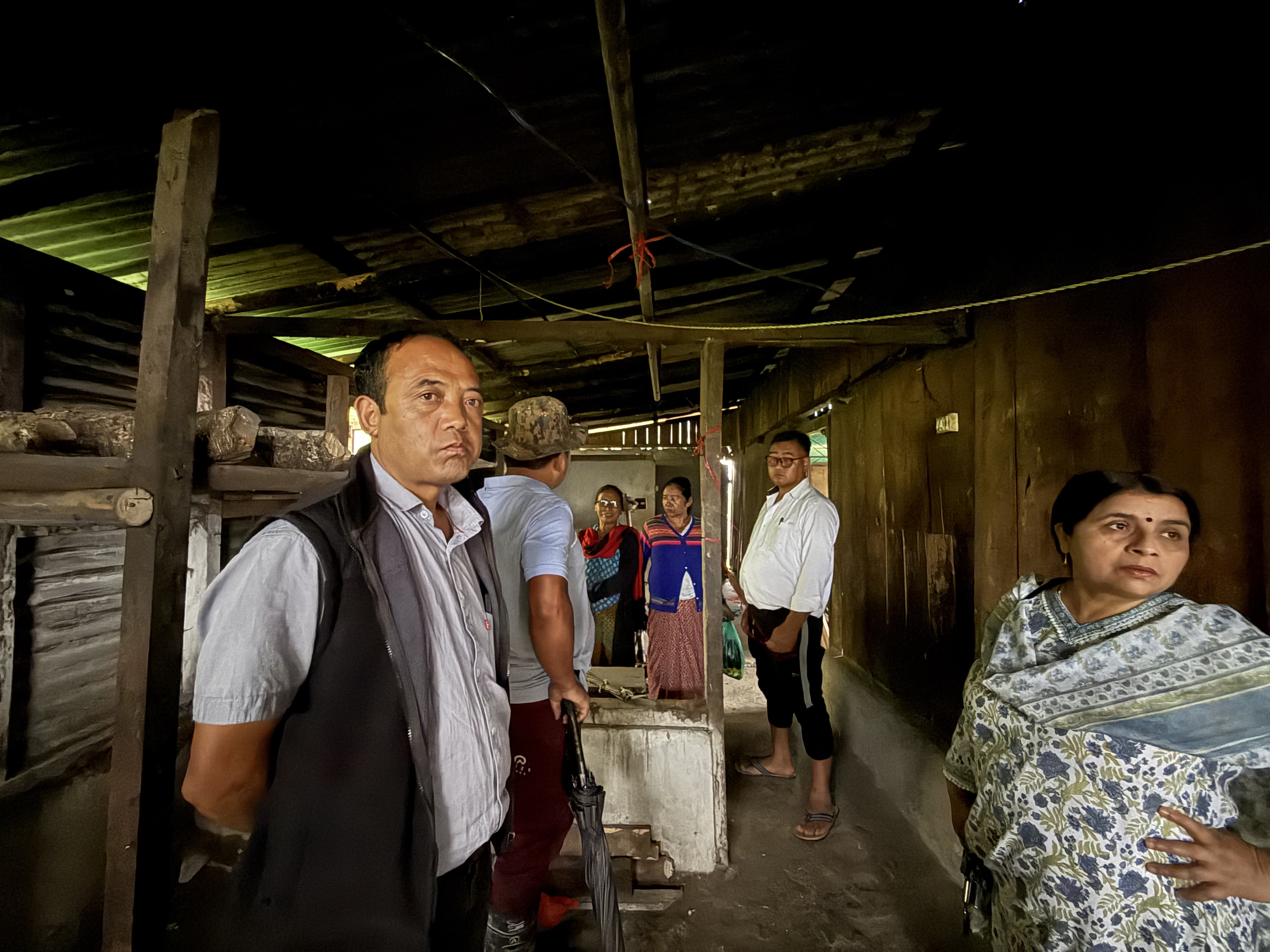
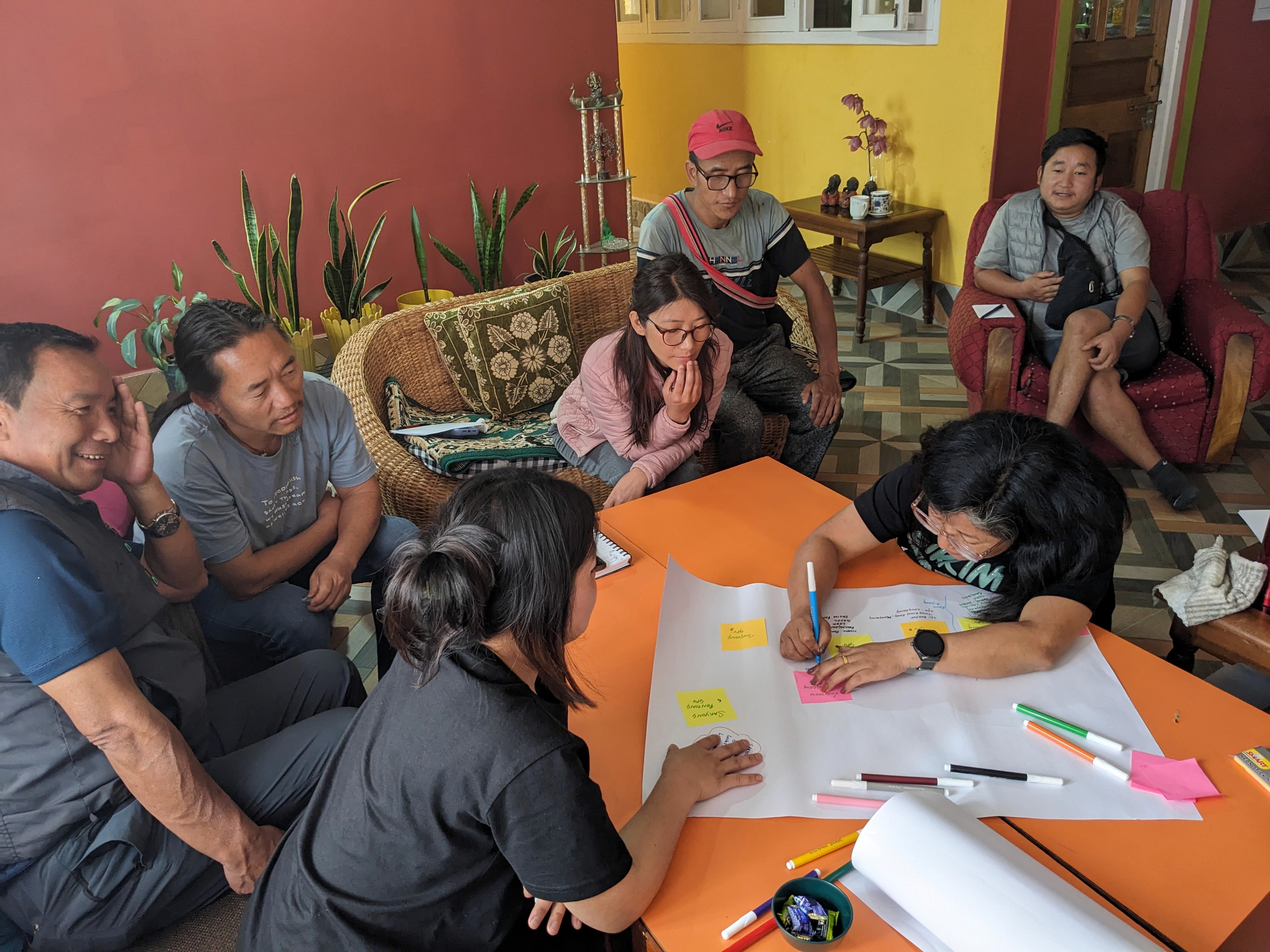
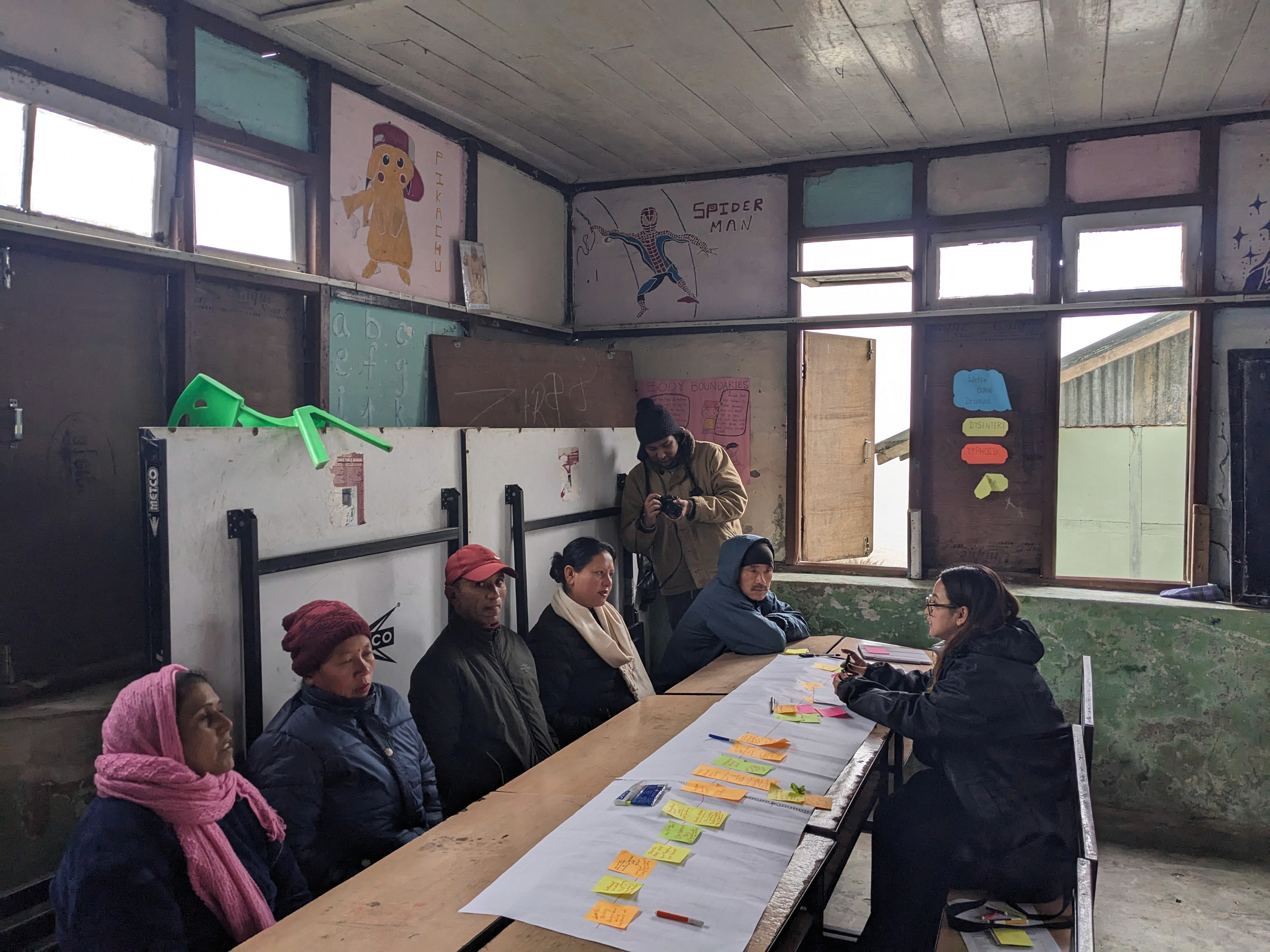
SF conducted a grassroots needs assessment across rural and urban Sikkim, focusing on gender, climate change, livelihoods, and community-led solutions. Through discussions with over 40 participants, the study revealed significant challenges, including the loss of traditional knowledge for disaster mitigation, decline in agricultural practices, water shortages, and limited market access for farmers. Other key issues included youth migration, education dropouts, cultural heritage erosion, and mental health concerns. These findings are being used to guide future community interventions and policy development.
SF conducted a grassroots needs assessment across rural and urban Sikkim, focusing on gender, climate change, livelihoods, and community-led solutions. Through discussions with over 40 participants, the study revealed significant challenges, including the loss of traditional knowledge for disaster mitigation, decline in agricultural practices, water shortages, and limited market access for farmers.

Other key issues included youth migration, education dropouts, cultural heritage erosion, and mental health concerns. These findings are being used to guide future community interventions and policy development.

Handmade Paper Unit Revival, Borong, Namchi District

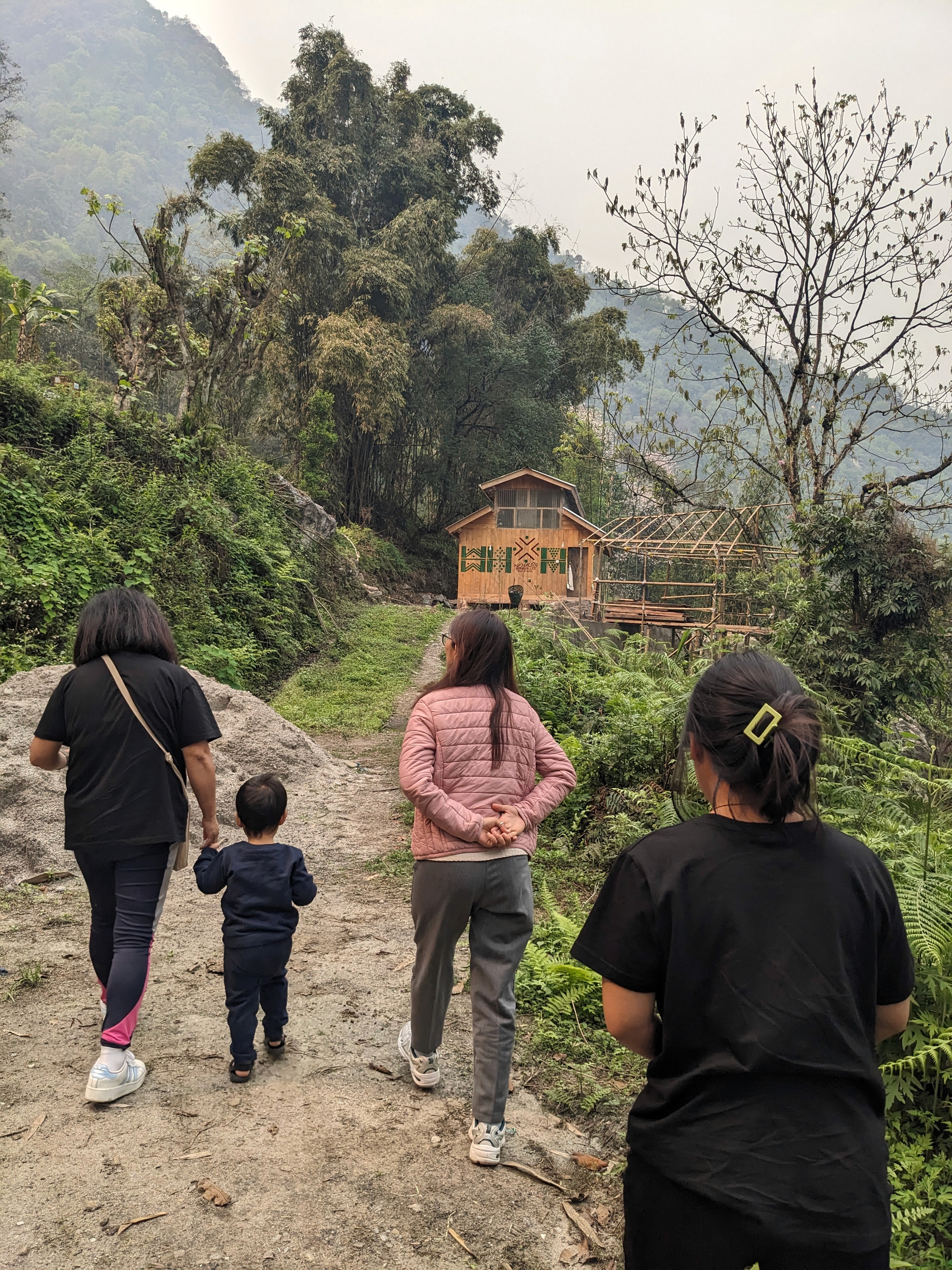
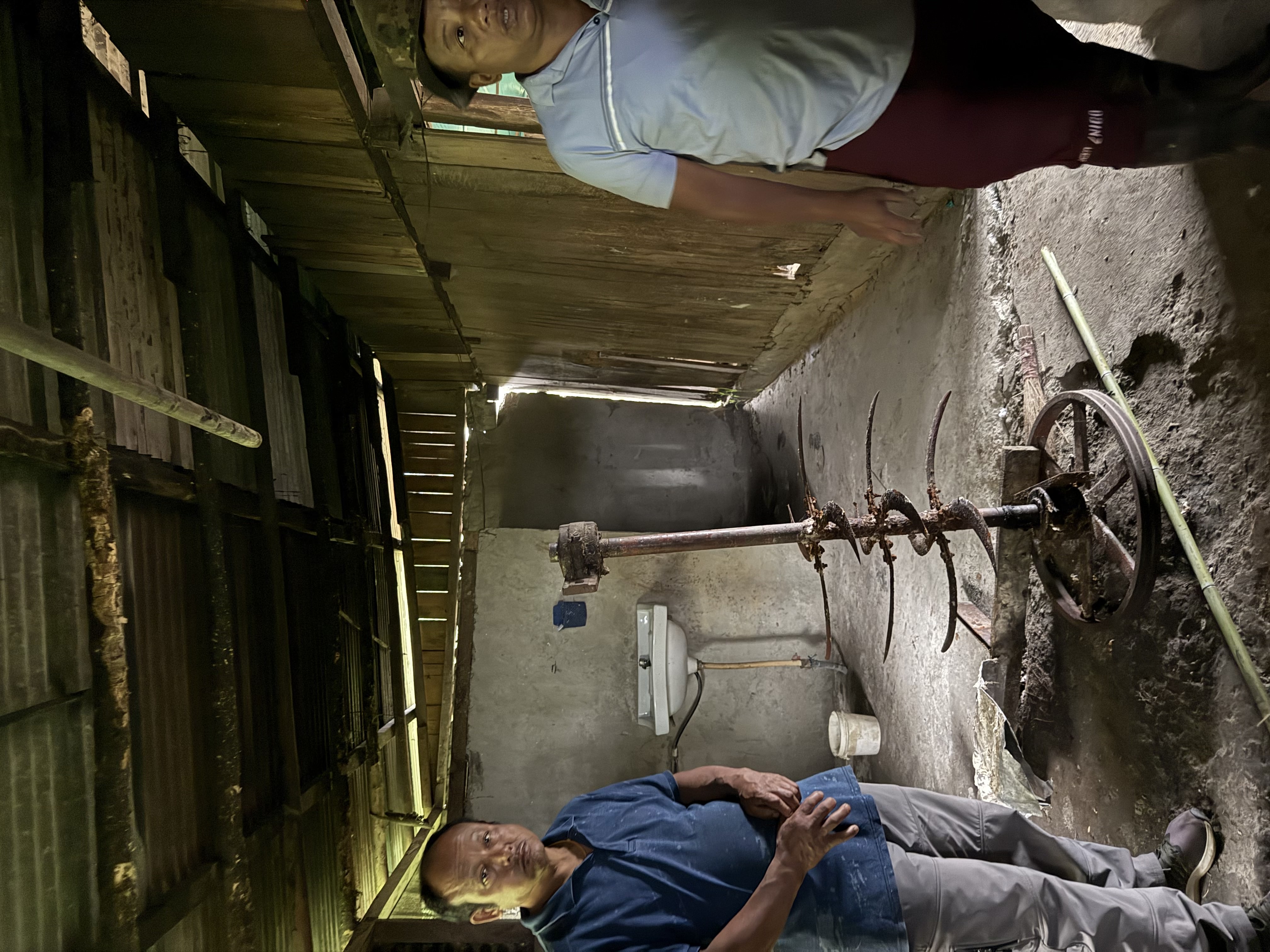
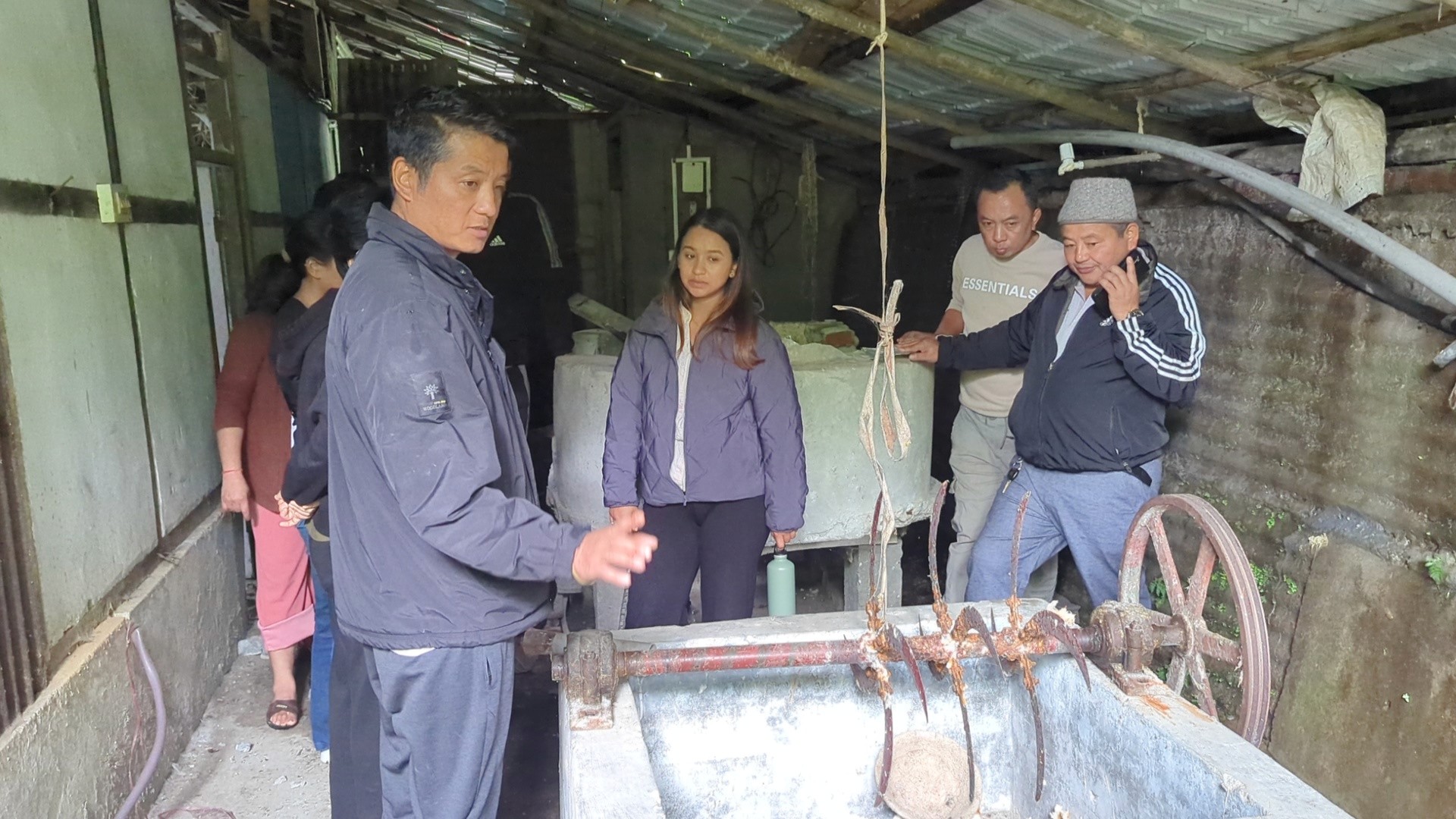
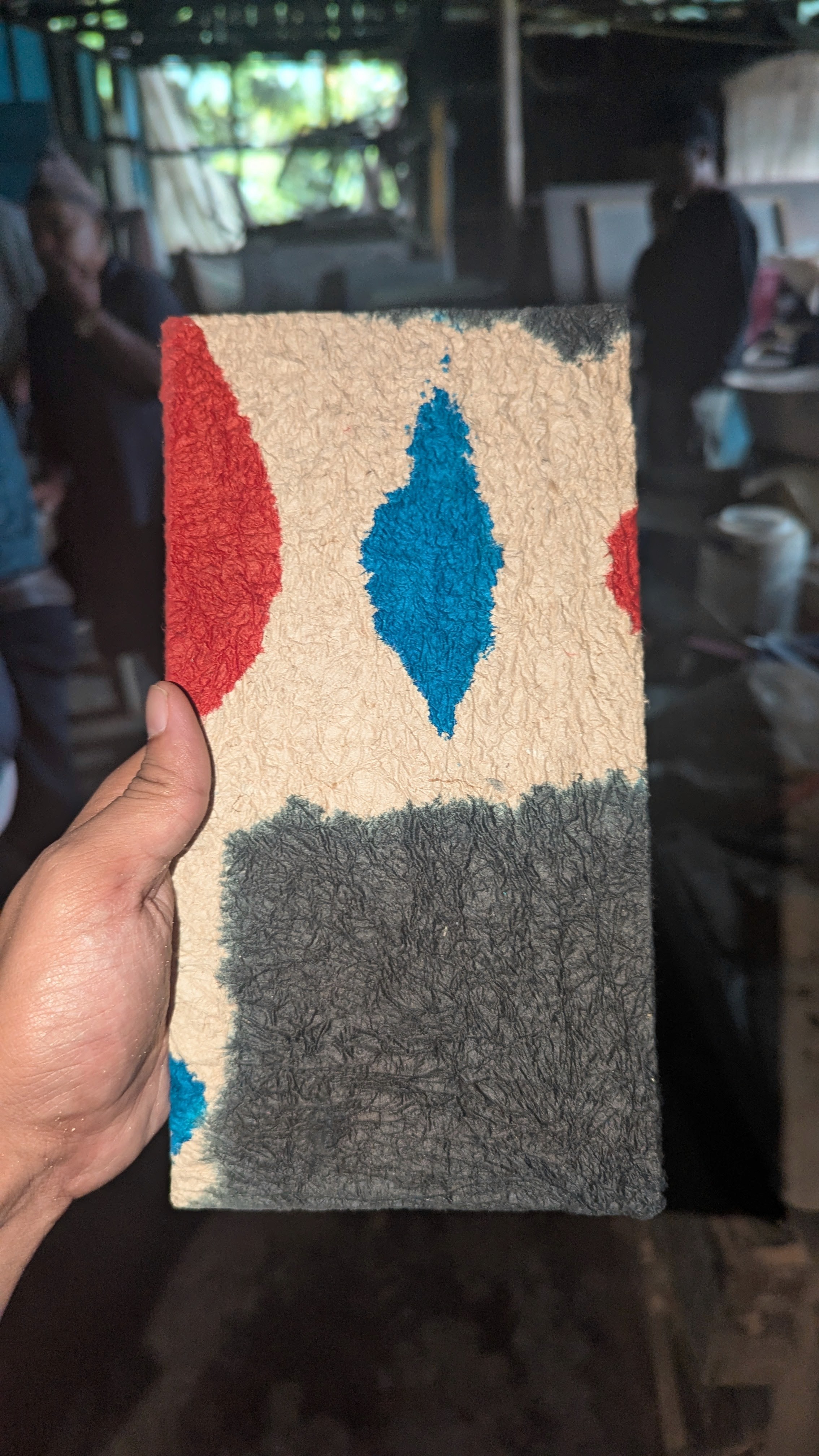
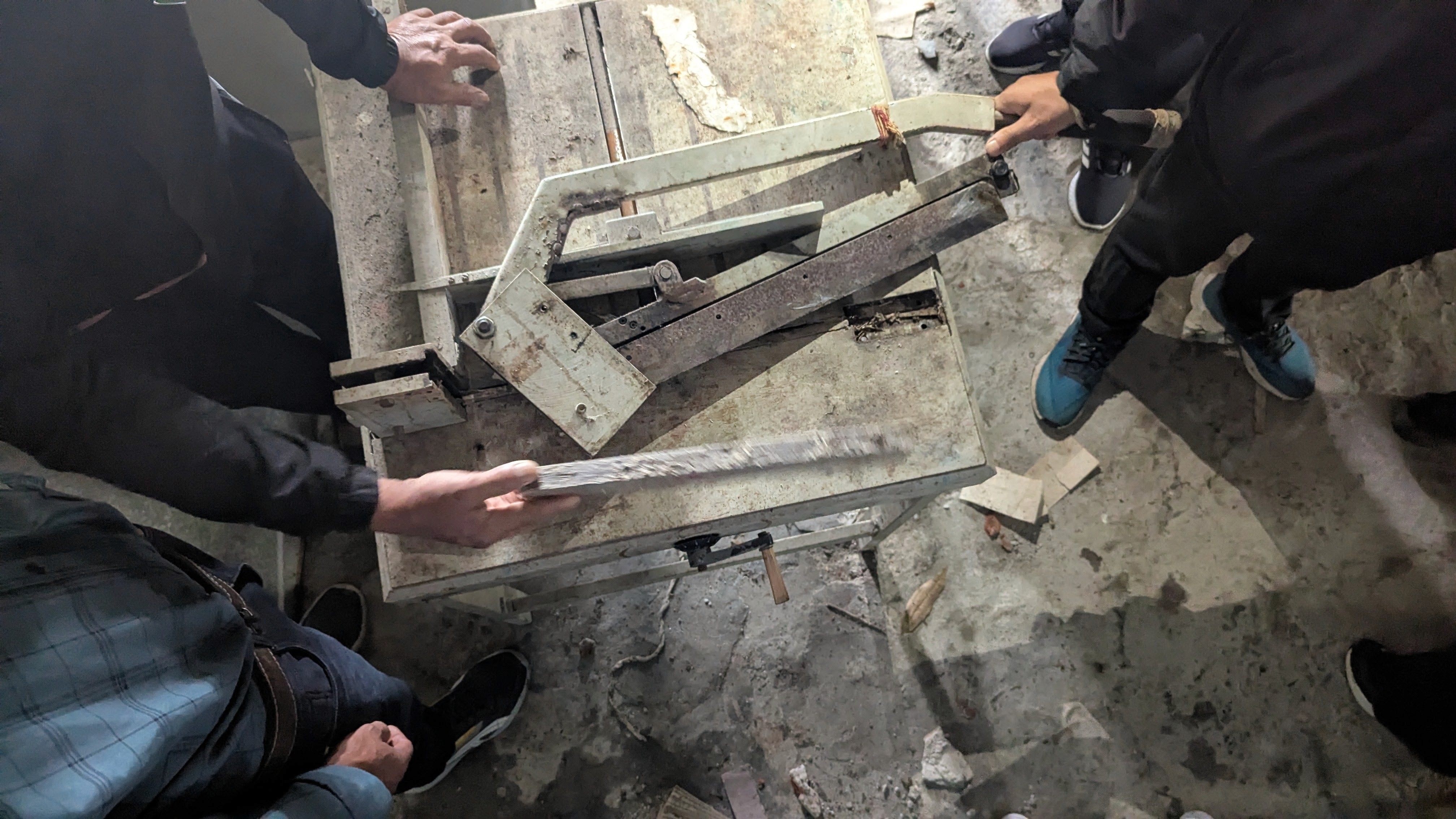
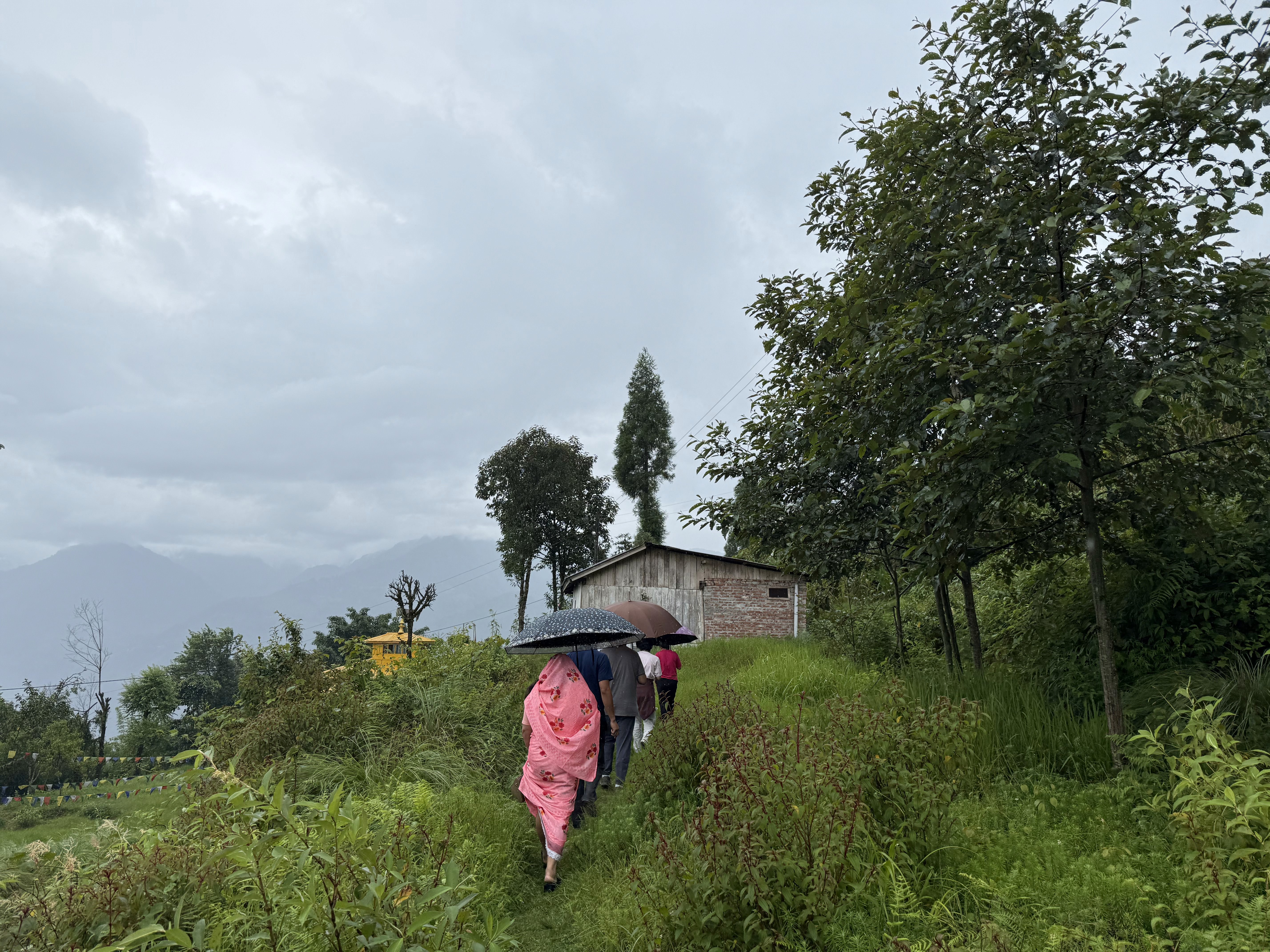
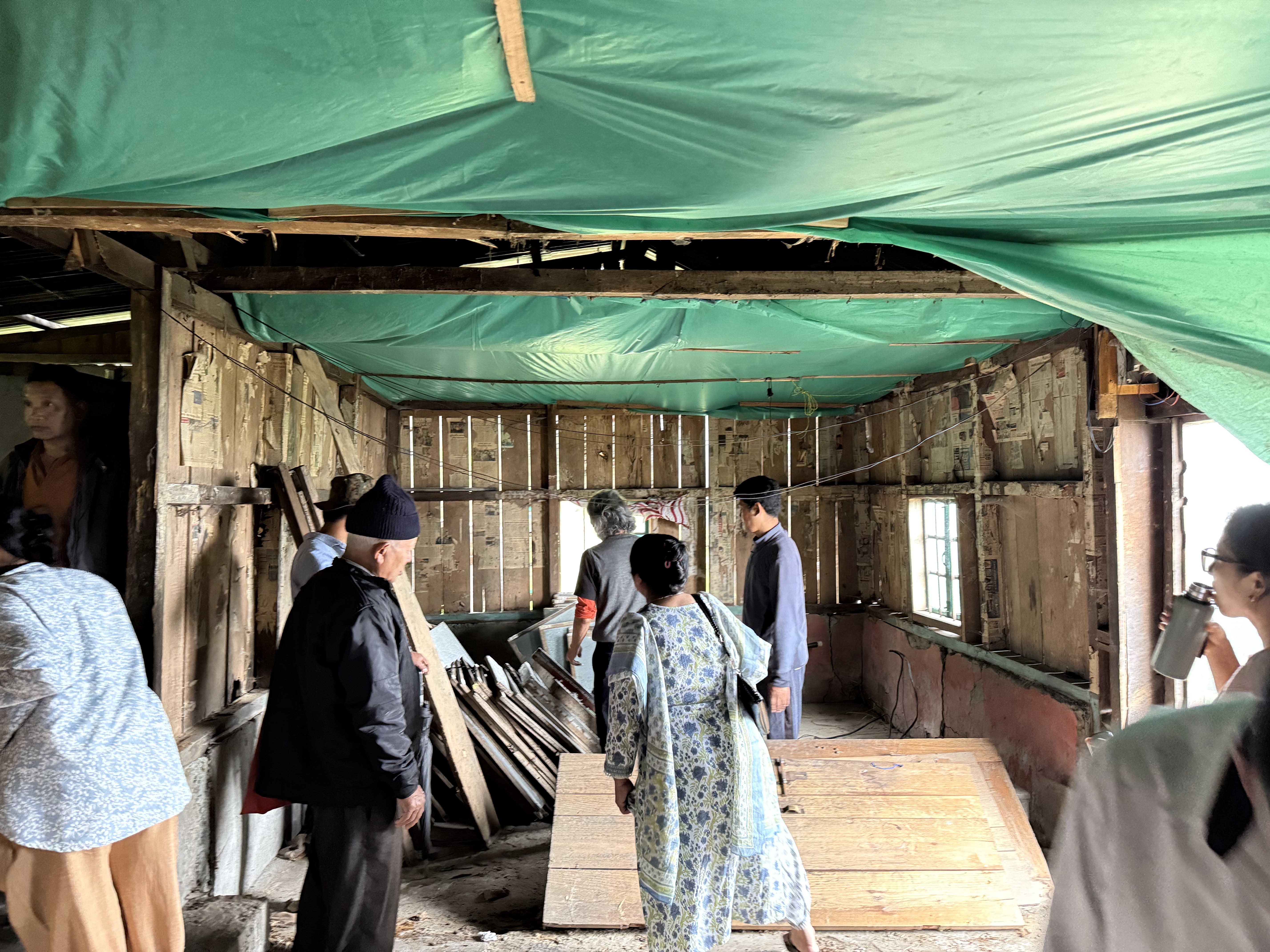
SF initiated exploratory work towards the revival of a handmade paper unit in Borong, Namchi District. The engagement focused on understanding the decline of traditional production systems, loss of associated skills, and the potential for livelihood regeneration rooted in local knowledge and materials.

The initiative links livelihood revival with cultural heritage preservation and sustainable, low-impact production practices.

Dzongu Indigenous Bridge Documentation Project

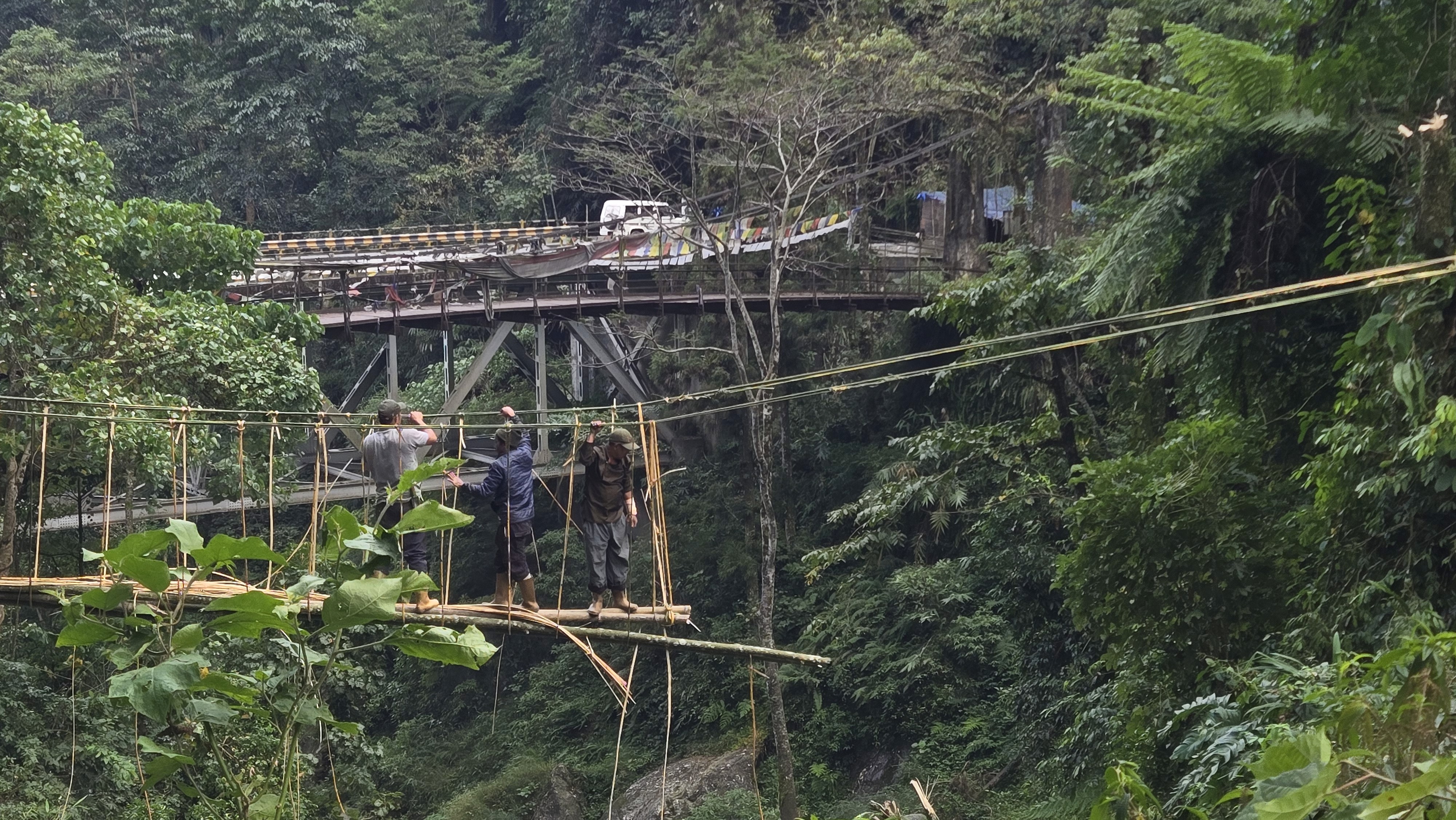
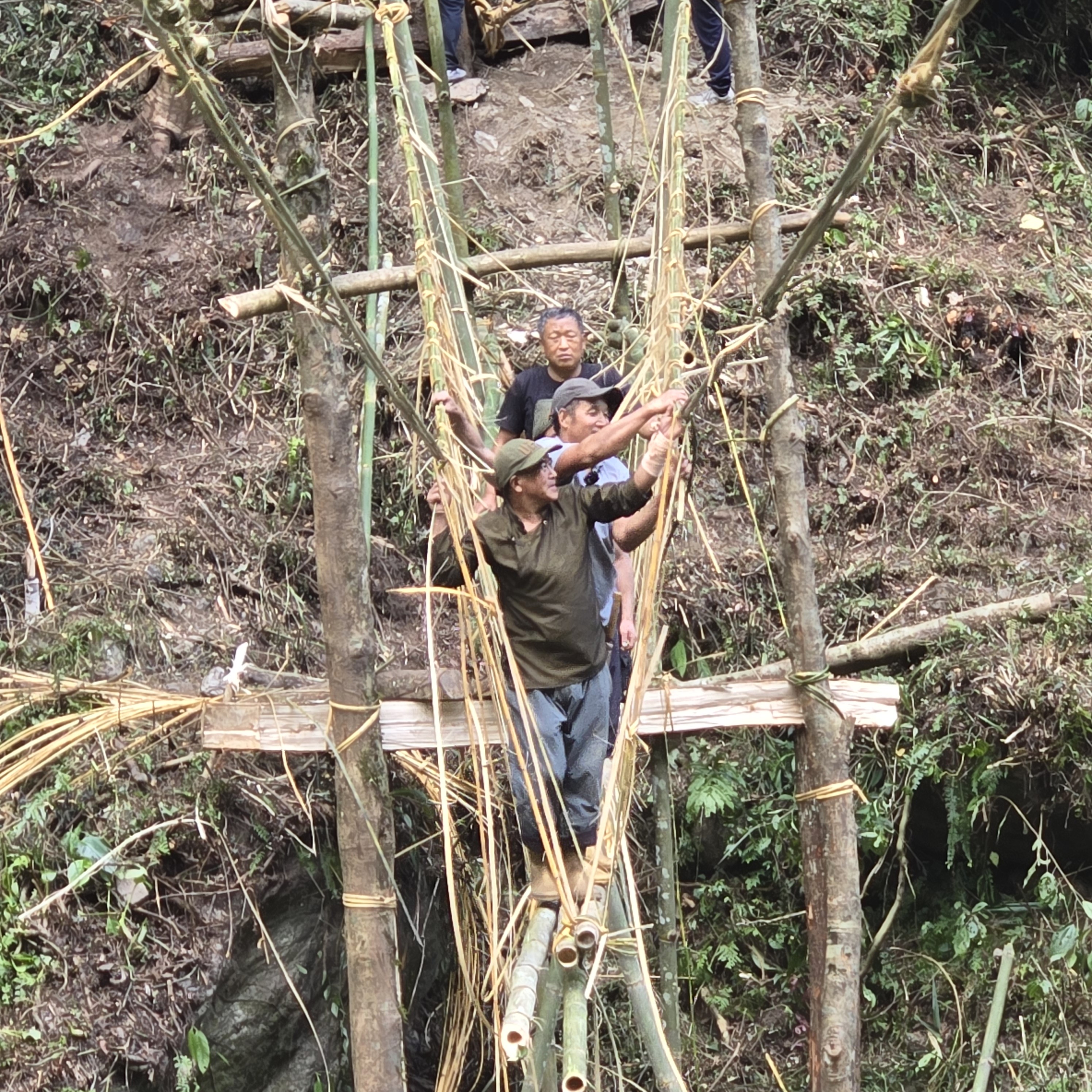
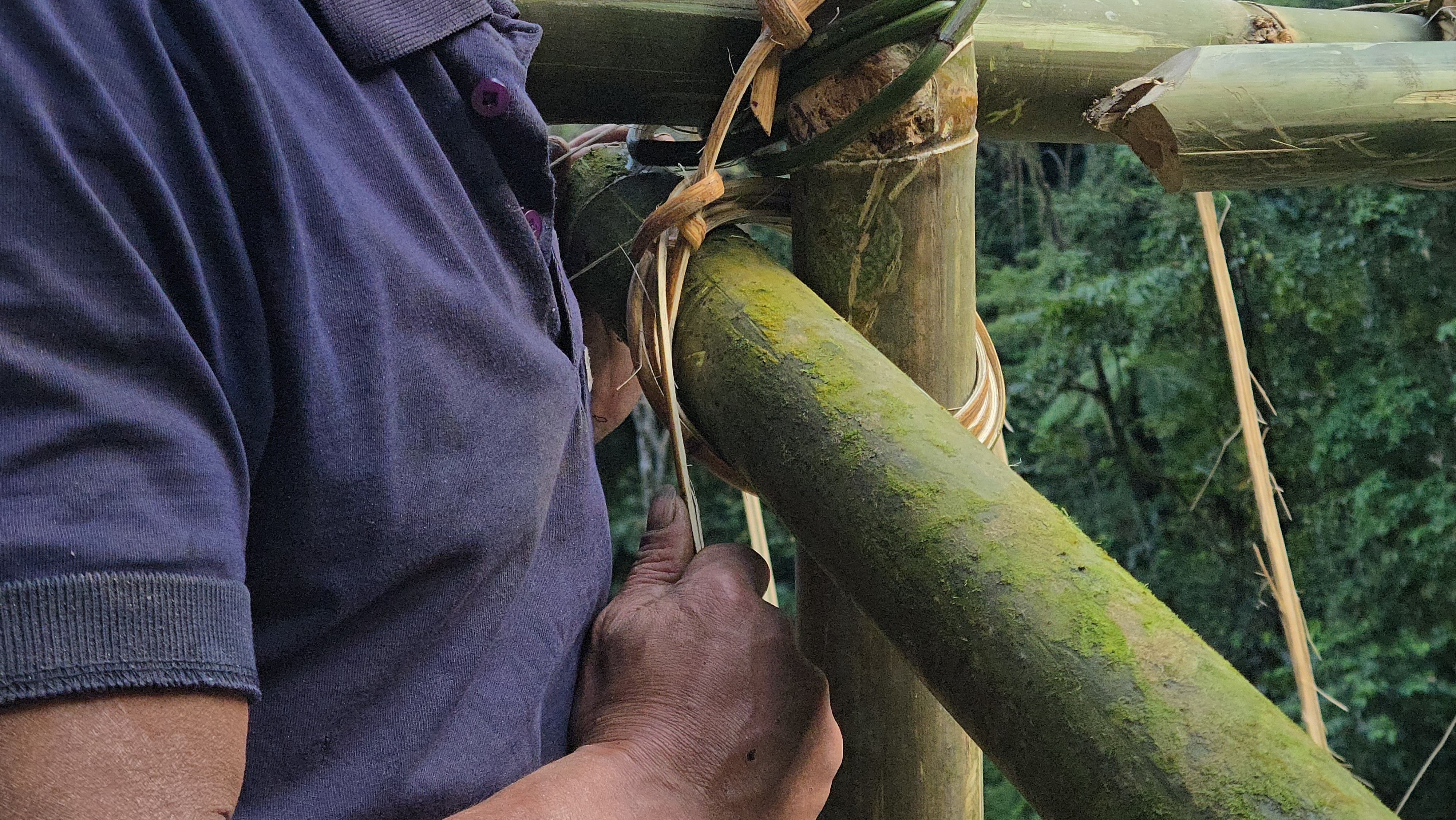
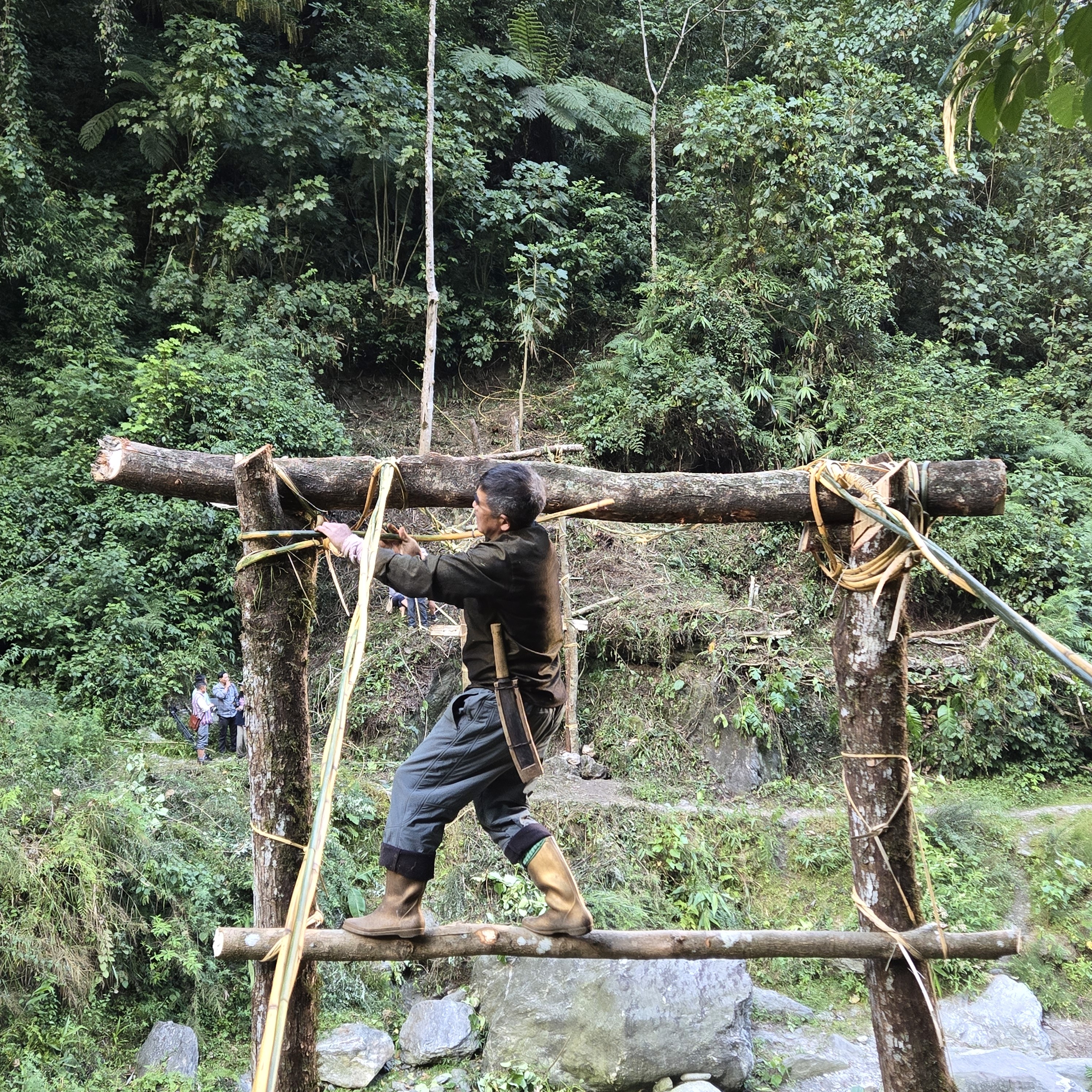
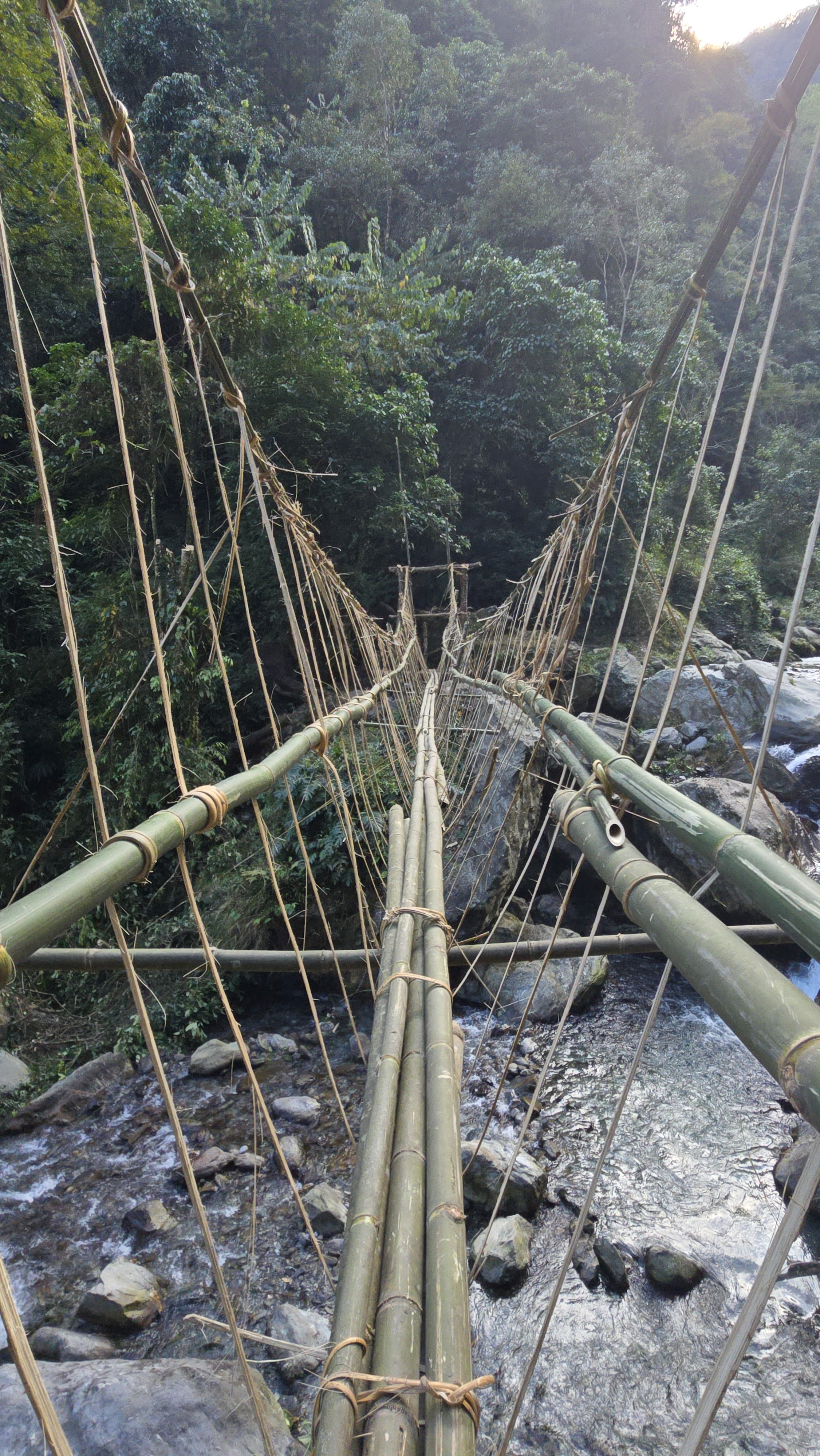
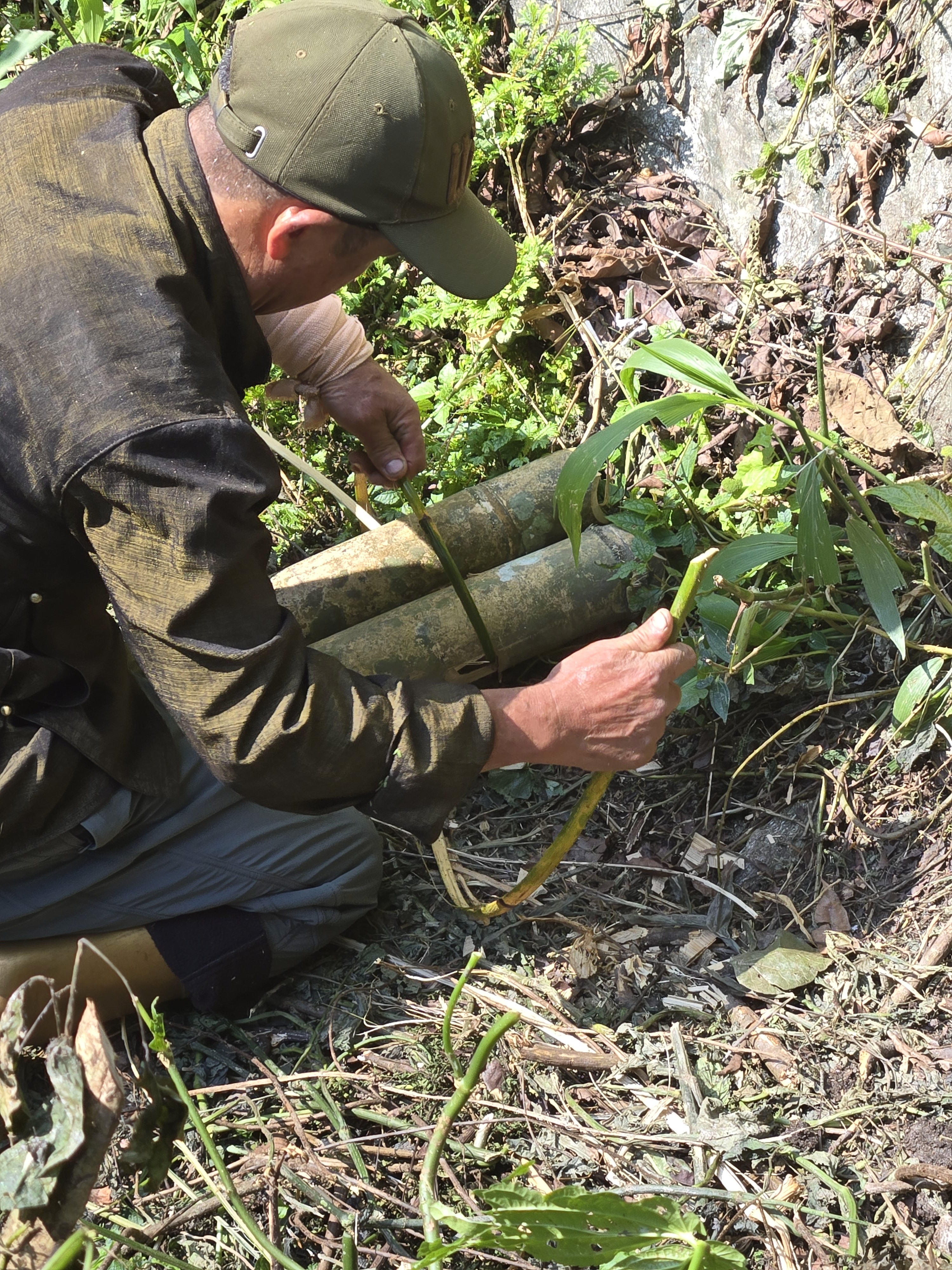
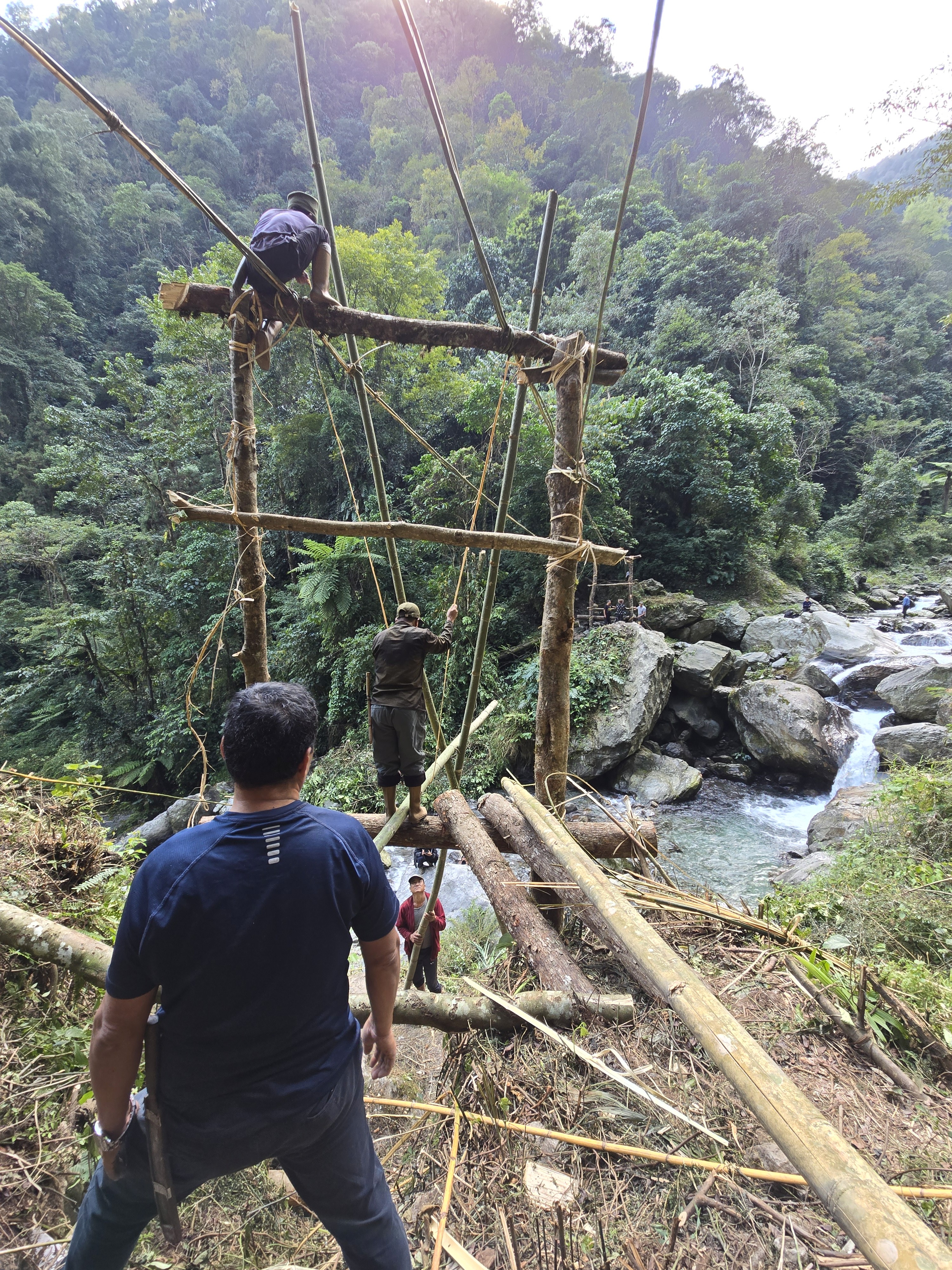
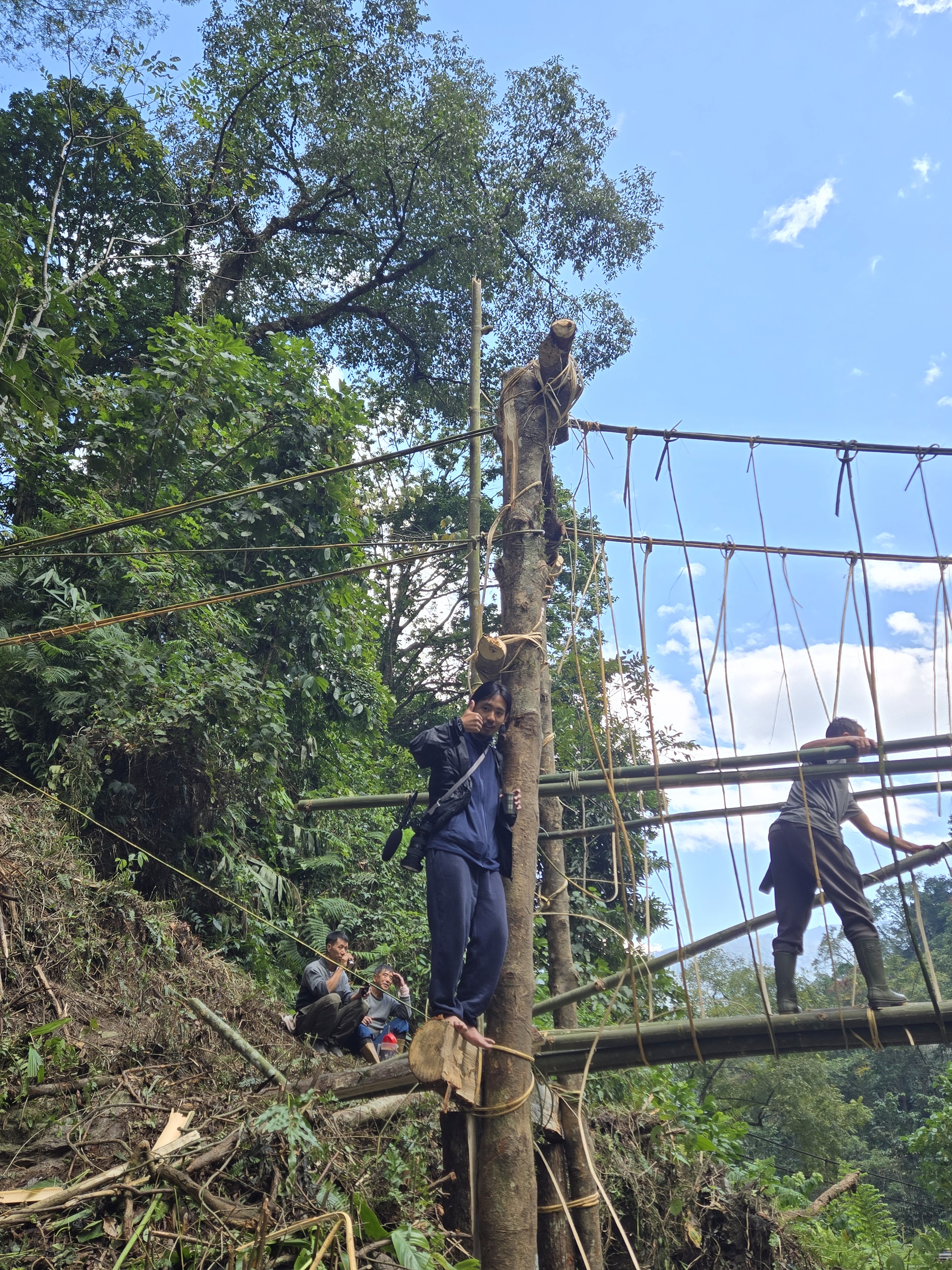
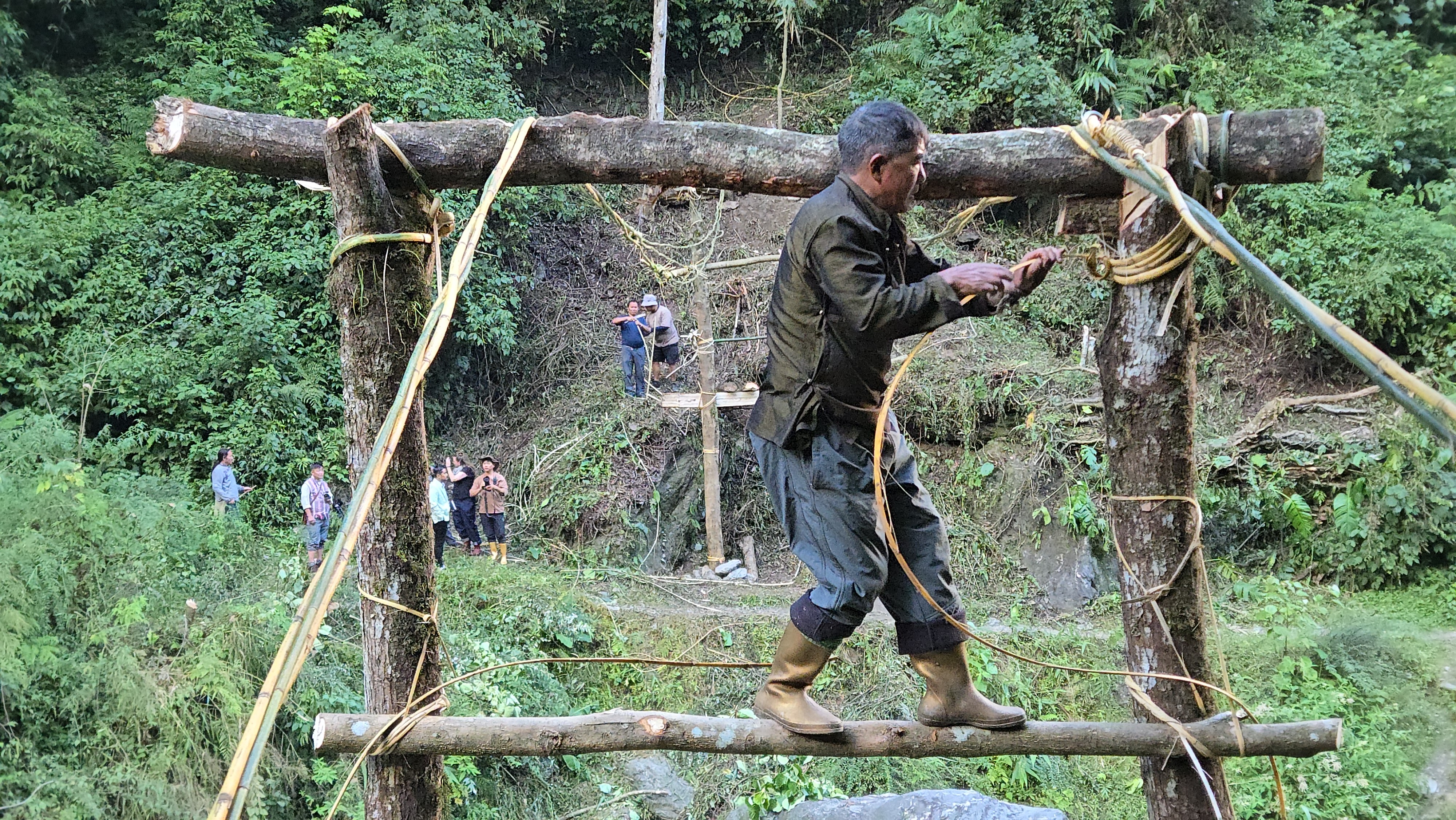
SF is engaged in documenting indigenous cane-and-bamboo bridge-building practices in Dzongu, a knowledge system that has repeatedly demonstrated resilience, particularly during natural disasters. During the 2023 Glacial Lake Outburst Flood (GLOF), these bridges played a critical role in maintaining access for food and essential supplies, often outperforming modern infrastructure.

The current phase presents a timely opportunity to support structured documentation and inter-generational knowledge transmission, especially as these practices face the risk of disappearance. Community willingness to share and mobilize around this knowledge has enabled meaningful engagement at a crucial moment. SF’s efforts are ongoing, in close collaboration with local communities, to document, disseminate, and preserve indigenous bridge-building skills.

Journeying Across the Himalayas Exhibition

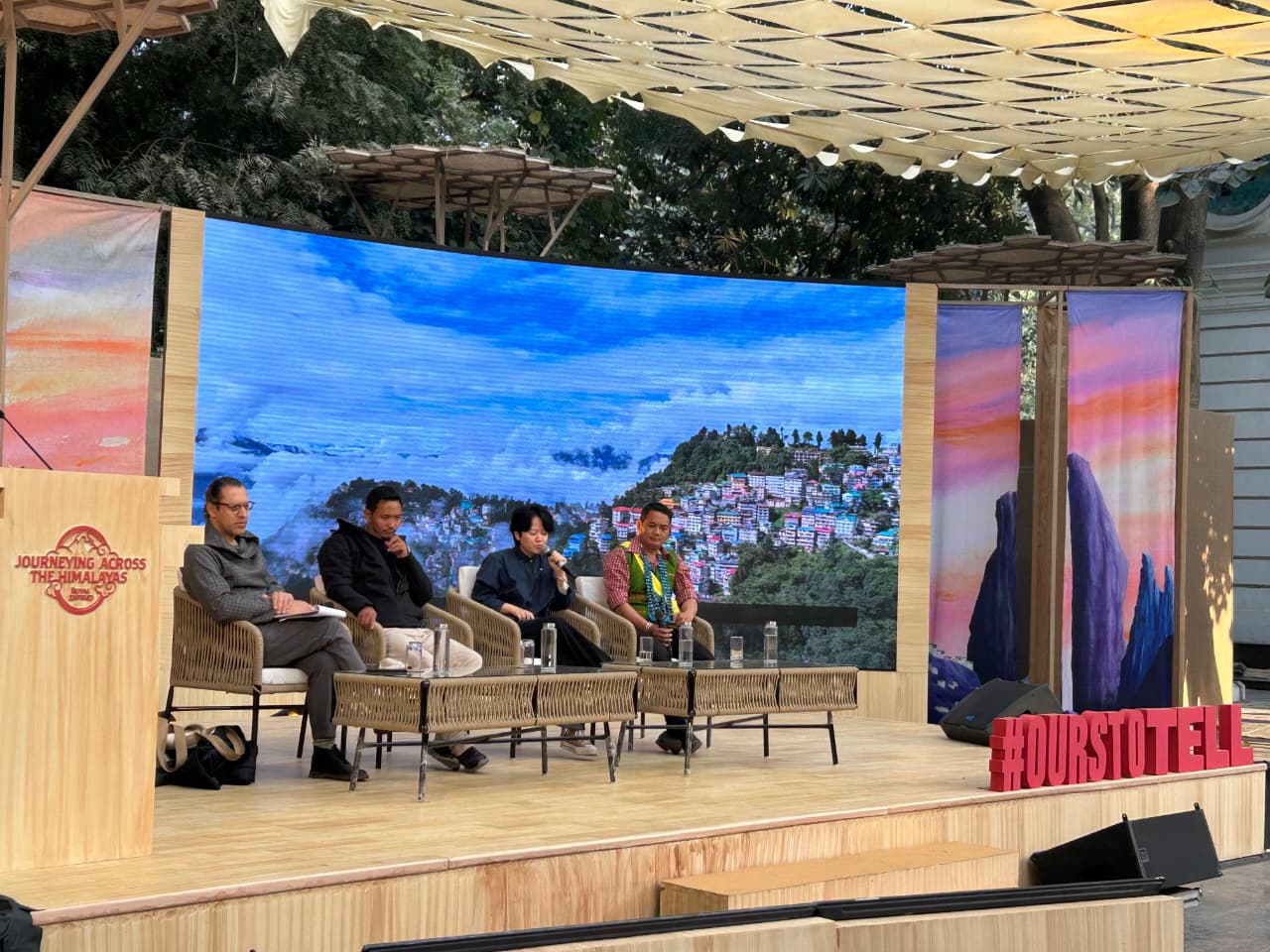
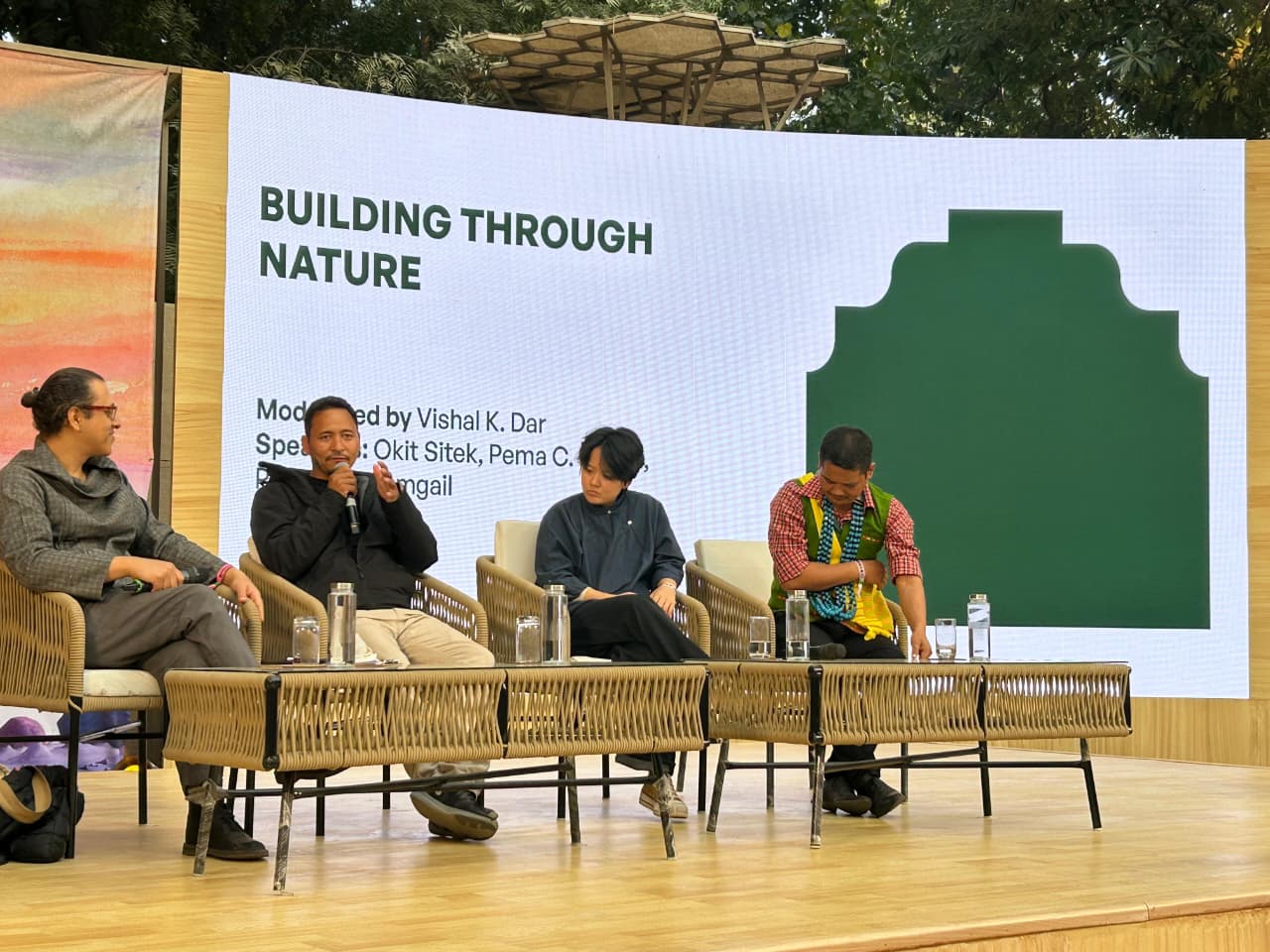
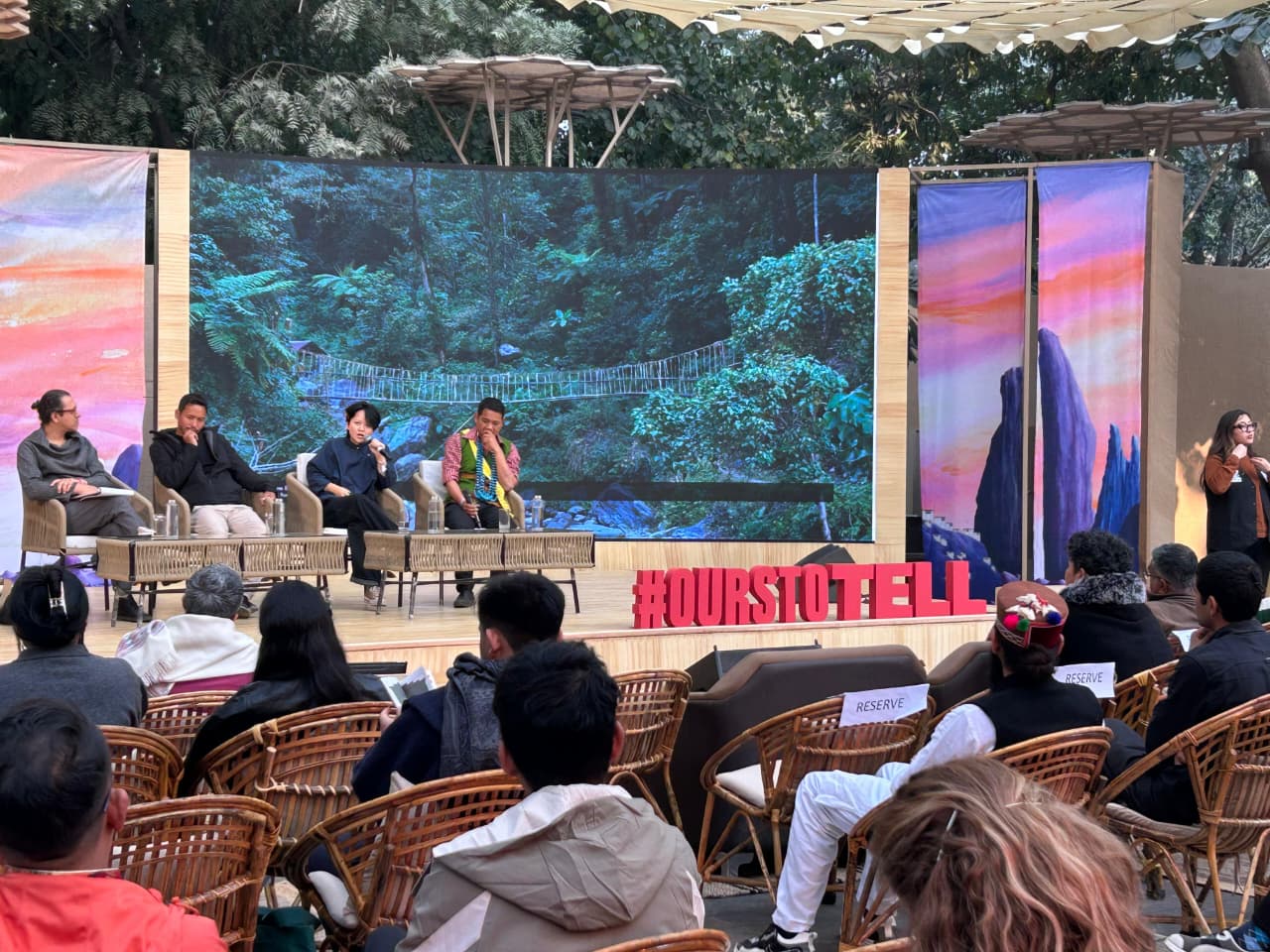
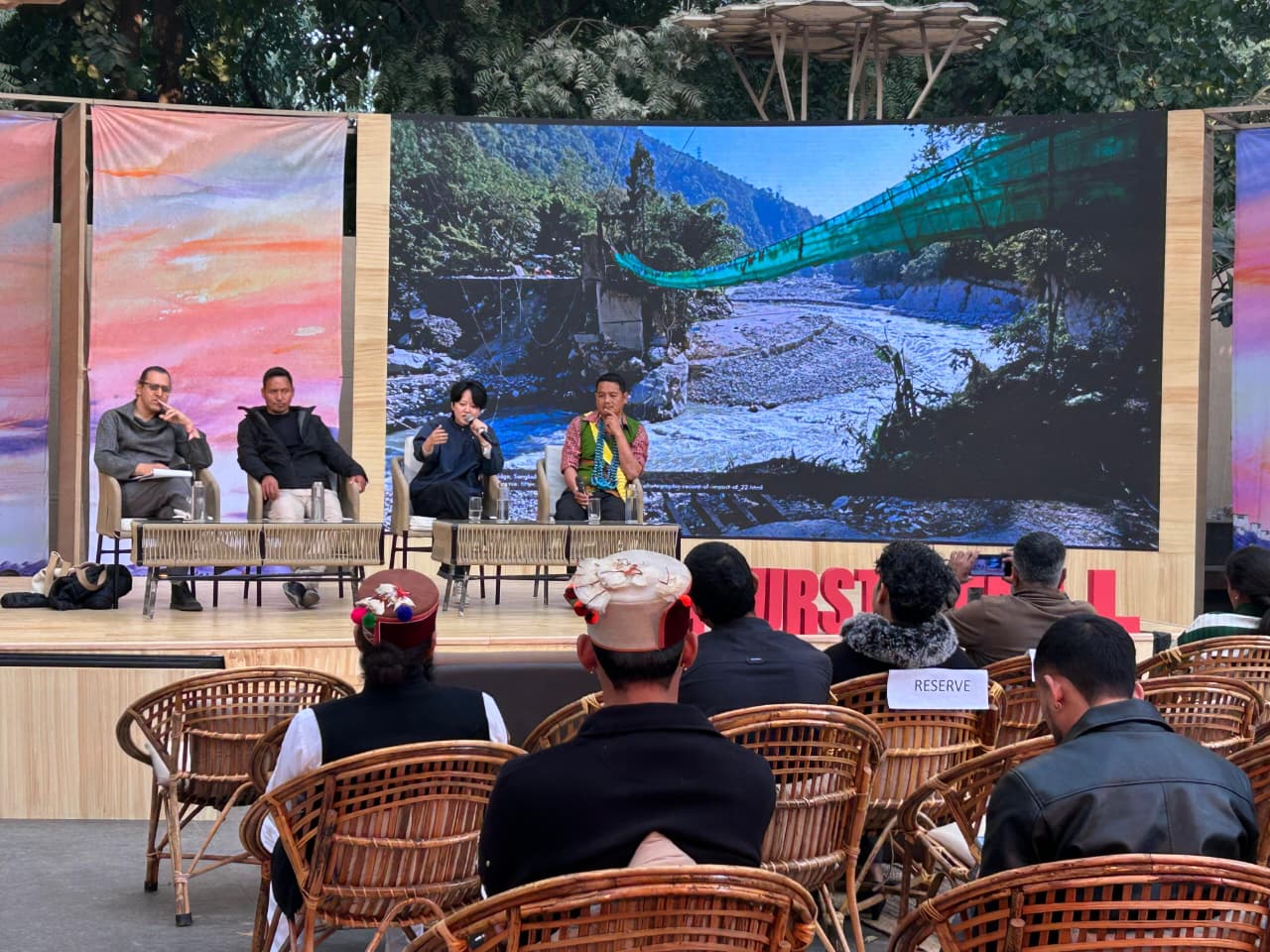
As part of SF’s knowledge dissemination efforts we presented the Dzongu Indigenous Bridge Project as a panelist during the “Building Through Nature” session at the Journeying Across the Himalayas Exhibition, organised by the Royal Enfield Social Mission (Eicher Group Foundation) on December 2025.This platform enabled broader public engagement with indigenous engineering knowledge systems from Sikkim and their relevance in climate-resilient infrastructure.
As part of SF’s knowledge dissemination efforts, Pema, a member of the Foundation, presented the Dzongu Indigenous Bridge Project as a panelist during the “Building Through Nature” session at the Journeying Across the Himalayas Exhibition, organised by the Royal Enfield Social Mission (Eicher Group Foundation) on December 2025.

This platform enabled broader public engagement with indigenous engineering knowledge systems from Sikkim and their relevance in climate-resilient infrastructure.
As part of SF’s knowledge dissemination efforts, Pema, a member of the Foundation, presented the Dzongu Indigenous Bridge Project as a panelist during the “Building Through Nature” session at the Journeying Across the Himalayas Exhibition, organised by the Royal Enfield Social Mission (Eicher Group Foundation) on December 2025.

This platform enabled broader public engagement with indigenous engineering knowledge systems from Sikkim and their relevance in climate-resilient infrastructure.